Welcome to Gombe Stream National Park, Tanzania’s smallest national park, but one of immense global significance. Nestled on the wild eastern shores of Lake Tanganyika, Gombe is famed as the site where
Gombe Stream National Park
Discover the World of Chimpanzees on Lake Tanganyika
Welcome to Gombe Stream National Park, Tanzania’s smallest national park, but one of immense global significance. Nestled on the wild eastern shores of Lake Tanganyika, Gombe is famed as the site where Dr. Jane Goodall conducted her pioneering, long-term research on wild chimpanzee behavior, revolutionizing our understanding of our closest living relatives. This narrow strip of steep, forested valleys and pristine lakefront is primarily dedicated to the protection and study of its chimpanzee population.
A visit to Gombe offers a unique opportunity to walk in the footsteps of Jane Goodall, trek through lush forests to observe wild chimpanzees, and experience the serene beauty of Lake Tanganyika in an intimate and historic setting.
Why Visit Gombe Stream National Park?
Visit the place where Jane Goodall made her groundbreaking discoveries.
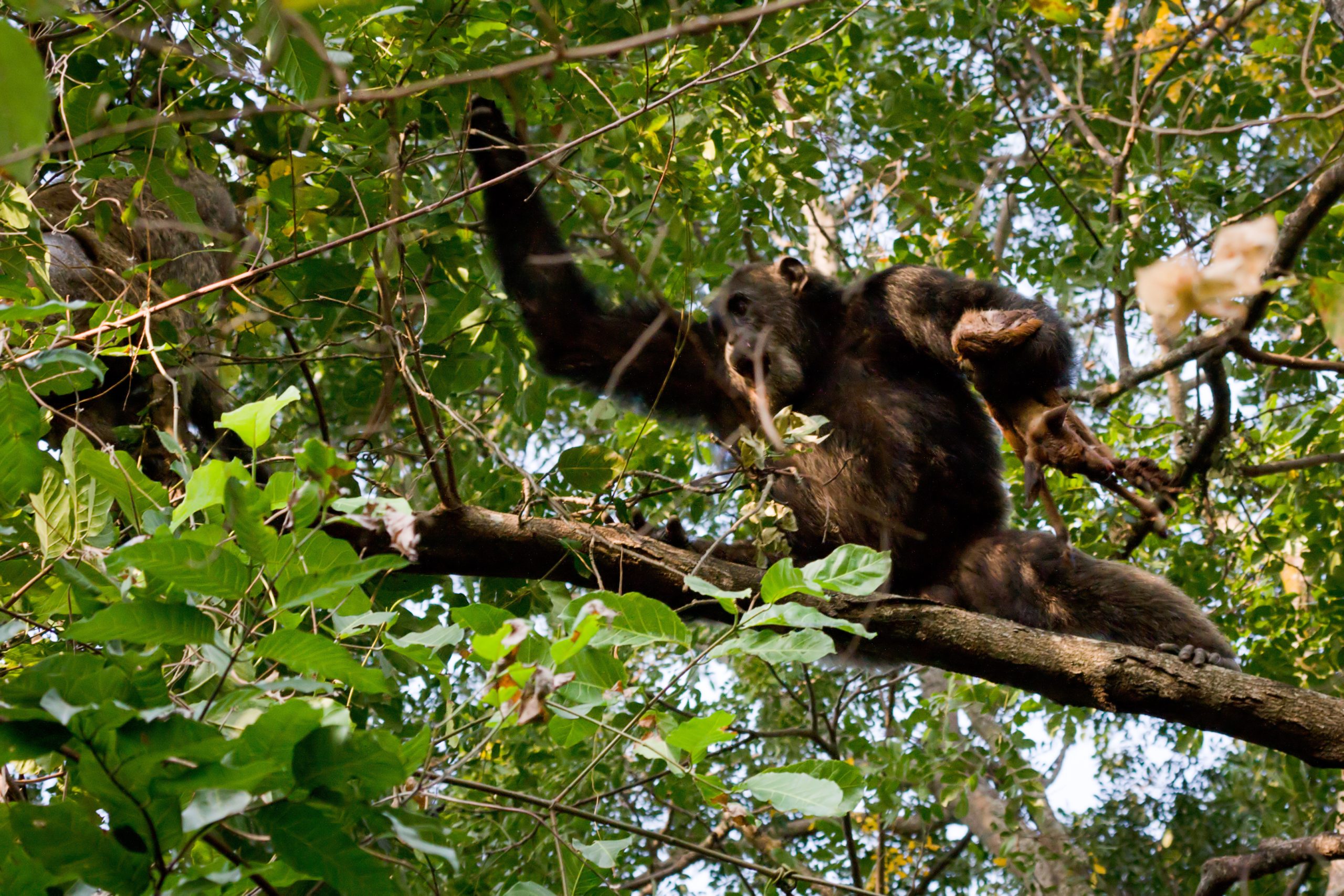
High chances of encountering habituated chimpanzees in small groups.
Steep forested slopes descending to the clear waters and sandy shores of Lake Tanganyika.
Besides chimpanzees, Gombe is home to olive baboons (also studied here), red colobus, red-tailed monkeys, blue monkeys, and vervet monkeys.
Feel the legacy of decades of primate research.
Opportunities for swimming, snorkeling, and boating on Lake Tanganyika.
The Gombe Chimpanzee Experience
Like Mahale, the core experience in Gombe revolves around its habituated chimpanzee communities, descendants of those studied by Jane Goodall.
- Guided Treks: Visitors are led by experienced park rangers and trackers into the forest to locate the chimpanzees. Treks can be strenuous, involving steep climbs.
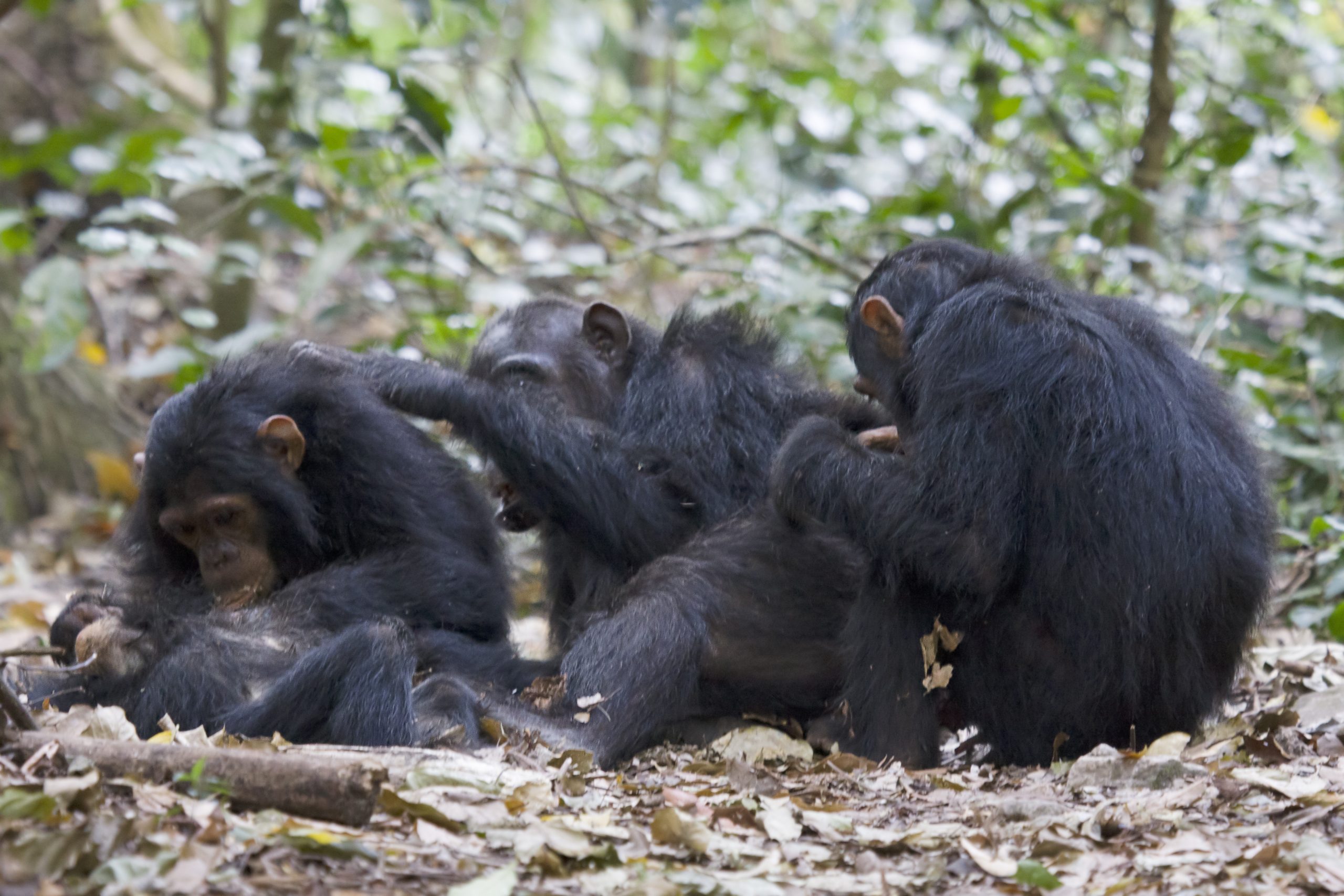
- Observing Wild Behavior: Once found, visitors spend a regulated period observing the chimps feeding, grooming, interacting, and moving through their forest home.
- The Jane Goodall Institute: While the research facilities are not typically open to casual visitors, the legacy of the institute’s work permeates the experience.
- Smaller Park, Focused Experience: Gombe’s compact size means the chimpanzee tracking is very focused, and other activities complement this core experience.
Best Time to Visit Gombe Stream National Park
Dry Season (June - October)
- Pleasant weather with sunny days and cooler nights.
- Best for Chimpanzee Tracking: Chimpanzees are generally easier to find as they tend to be on the lower slopes or closer to food sources. Forest paths are drier.
- Good visibility and calm lake conditions for boating and water activities.
Wet Season (November - April)
- Lush green forests, but trails can be muddy and slippery.
- Chimpanzee tracking can be more challenging as chimps may roam more widely and higher up the slopes.
- Excellent for Bird Watching and seeing the forest at its most vibrant.
- The "long rains" (March-May) can bring heavier rainfall, potentially impacting trekking. Some accommodations might have limited operations.
Activities in Gombe Stream National Park
Chimpanzee Tracking: The primary activity and main reason for visiting.
Hiking & Nature Walks: Explore the forest trails, visit waterfalls (like Kakombe Waterfall), and enjoy the rich biodiversity beyond chimpanzees.
Swimming & Snorkeling in Lake Tanganyika: Enjoy the clear waters of the lake (in designated safe areas).
Boating on Lake Tanganyika: Can be arranged for scenic views or reaching different parts of the park’s coastline.
Visit Jane’s Peak: Hike to a viewpoint that Jane Goodall often used for observing the chimpanzees and the landscape.
Learn about Primate Research: While direct access to research projects is limited, guides share insights from the long-term studies.
Bird Watching: The park’s forests and lake shore host a variety of bird species.