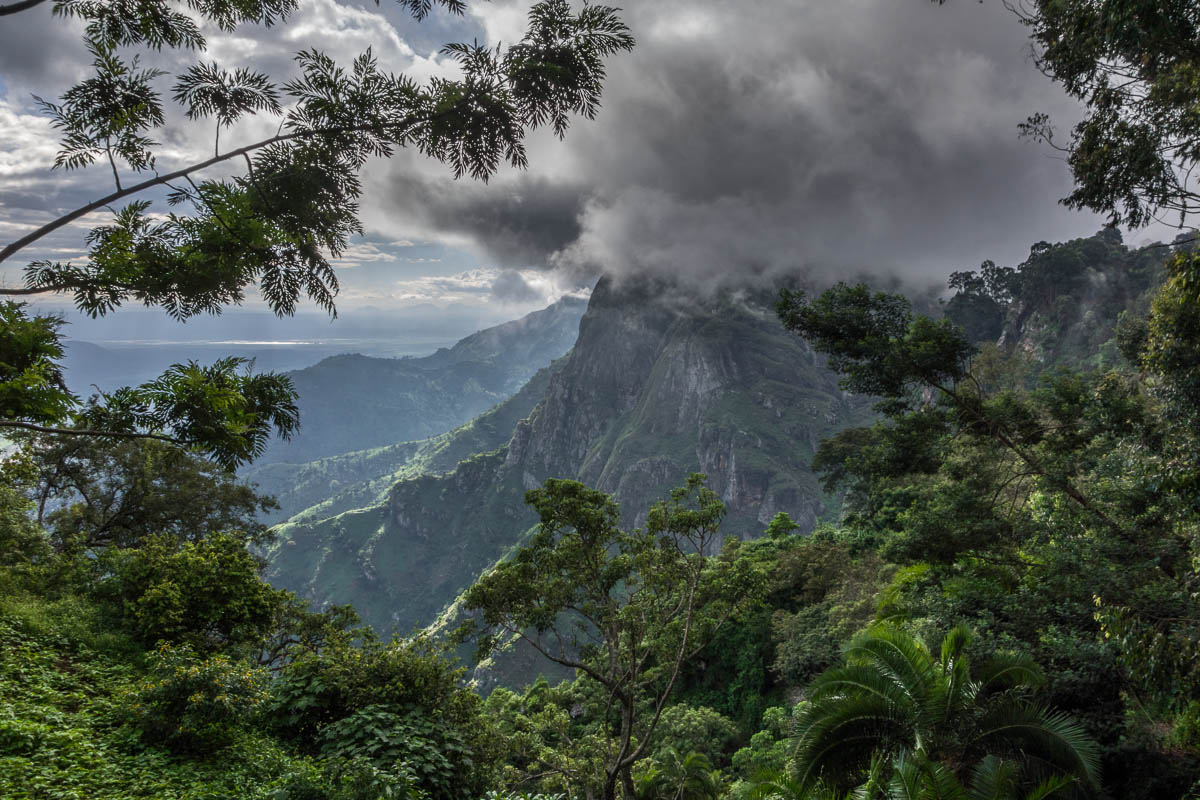
Welcome to Udzungwa Mountains National Park, a vital link in the ancient Eastern Arc Mountain chain, often referred to as the “Galapagos of Africa” for its extraordinary levels of endemic
Udzungwa Mountains National Park (Mountain Focus)
Explore Ancient Rainforests and Cascading Waterfalls
Welcome to Udzungwa Mountains National Park, a vital link in the ancient Eastern Arc Mountain chain, often referred to as the “Galapagos of Africa” for its extraordinary levels of endemic species. This is not a typical safari park for vehicle-based game viewing; rather, it’s a paradise for hikers and nature lovers, offering immersive treks through pristine, biologically rich montane and lowland rainforests. The mountains themselves are a rugged tapestry of forested ridges, valleys, and plateaus, dissected by rivers that create spectacular waterfalls, like the famous Sanje Falls.
Trekking in Udzungwa is a journey into a unique world of rare primates, endemic birds, unique plants, and breathtaking natural beauty, offering an active and deeply rewarding wilderness experience.
Why Visit/Trek in Udzungwa Mountains?
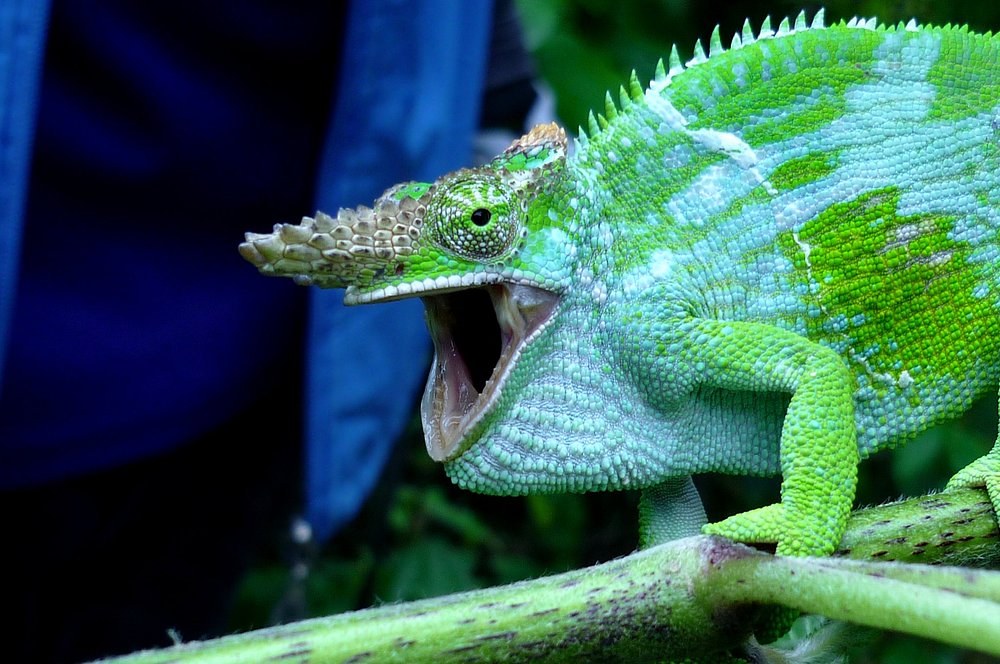
A globally important center for biodiversity, with many species of plants and animals found nowhere else.
A network of well-maintained trails catering to various fitness levels, from half-day waterfall hikes to multi-day mountain expeditions.
Explore ancient forests that have remained stable for millions of years.
Witness impressive cascades like Sanje Waterfall (170m), Prince Bernhard Waterfall, and others.
Home to at least 11 primate species, including the endemic Iringa red colobus and Sanje mangabey, and the recently discovered Kipunji monkey (though very elusive).
Over 400 bird species, with several endemics and near-endemics, such as the Udzungwa forest partridge.
Offers a unique, active alternative or complement to traditional wildlife safaris.
The Trekking and Primate Spectacle
The heart of the Udzungwa experience lies in its guided treks through diverse forest zones.
- Trail Systems:
- Sanje Waterfalls Trail: The most popular, leading to the magnificent Sanje Falls through rainforest, offering chances to swim in plunge pools and spot primates. (Approx. 4-6 hours round trip).
- Mwanihana Peak Trail: A challenging 2-3 day trek to Udzungwa’s second-highest peak (2,150m), traversing different forest types and offering panoramic views. Requires camping.
- Njokamoni Trail: A longer day hike (approx. 5-7 hours) through diverse habitats, good for seeing monkeys and birds.
- Prince Bernhard’s Waterfall Trail: A shorter, easier walk, ideal for those with limited time.
- Lumemo Trail: A more adventurous multi-day trek that goes deeper into the park.
- Guided Treks Only: All visitors must be accompanied by an official park ranger/guide.
- Forest Ecology: Discover diverse tree species, lianas, orchids, ferns, and learn about the medicinal uses of plants.
- Primate Spotting: Guides are skilled at locating primate groups, offering insights into their behavior.
- Varied Altitudes & Habitats: Treks can range from lowland forests (around 300m) up to montane forests and grasslands on the higher peaks and plateaus.
Best Time to Trek in Udzungwa Mountains
Dry Season (June - October)
- Pleasant weather for hiking, with cooler temperatures and lower humidity.
- Forest trails are generally drier, less slippery, and easier to navigate.
- Primates and other wildlife may be more readily visible as they might forage at lower altitudes or in more open areas.
- Clearer views from higher elevations.
Wet Season (November - May)
- The forest is incredibly lush, green, and vibrant; waterfalls are at their most spectacular.
- Excellent for bird watching (migratory birds present) and for seeing amphibians and certain insects.
- Flowers and orchids are often in bloom.
- Hiking can be more challenging due to muddy, slippery trails, especially during the long rains (March-May). Higher humidity.
- Some less-used or more remote trails might become difficult to access.
- Fewer other trekkers.
Activities in Udzungwa Mountains National Park
- Guided Hiking & Trekking: The primary activity, with a range of trail options.
- Primate Viewing & Bird Watching: Integral parts of any trek.
- Waterfall Visits & Swimming: Enjoy the beauty of the waterfalls and swim in designated plunge pools.
- Camping: For multi-day treks like Mwanihana Peak, basic camping within the park is part of the experience.
- Cultural Tourism: Opportunities to visit nearby villages (e.g., Mang’ula, Ifakara) to learn about local Hehe and Sukuma cultures, traditional farming, and community conservation initiatives.
- Botanical Exploration: For those with a keen interest, the diversity of plant life is astounding.
- Research & Education: The park is a significant site for ecological research.