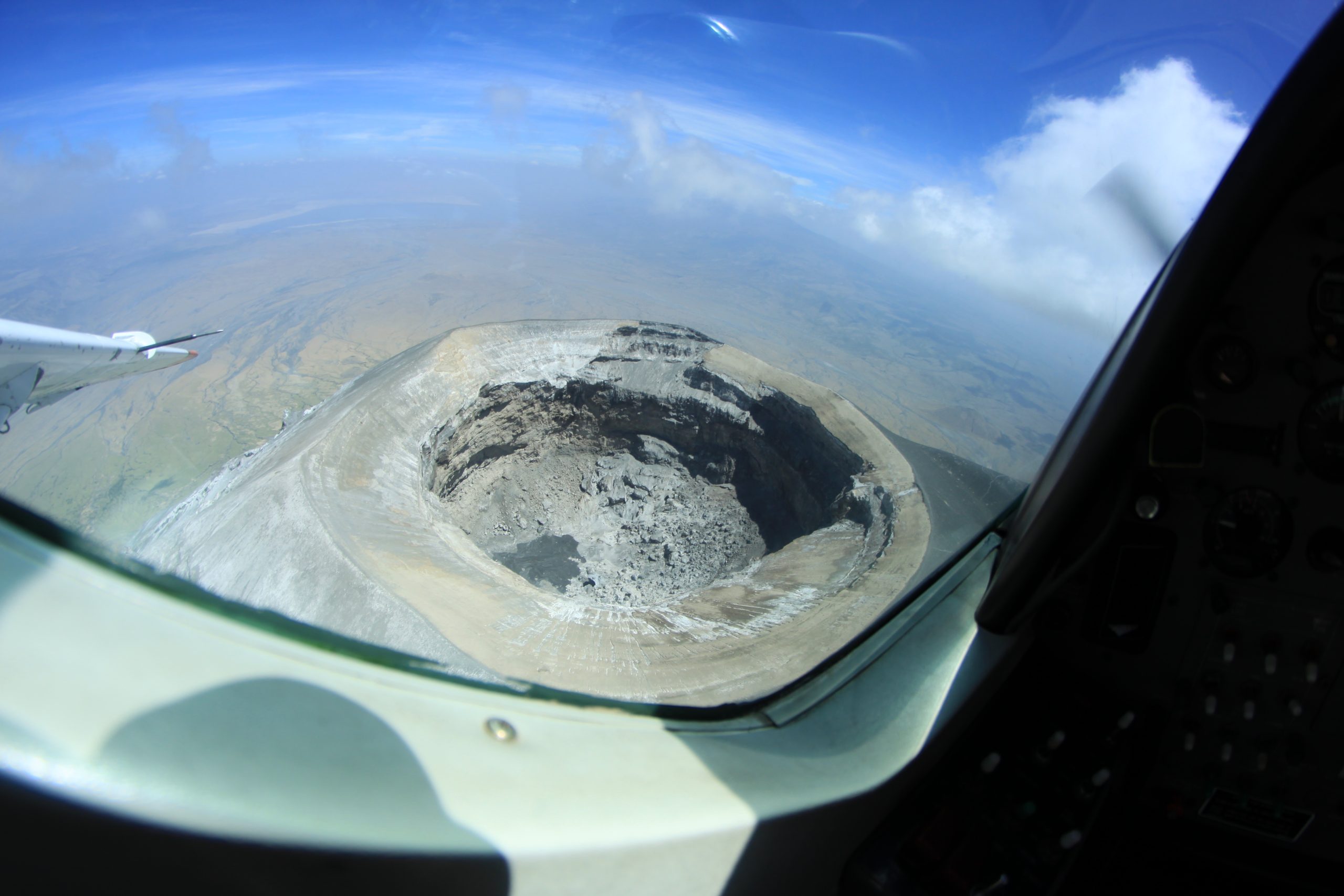
Welcome to Ol Doinyo Lengai, revered by the Maasai people as the “Mountain of God.” This strikingly steep and symmetrical active stratovolcano is located in the Gregory Rift, south of Lake Natron.
Ol Doinyo Lengai (“Mountain of God”)
Ascend the World's Only Active Carbonatite Volcano
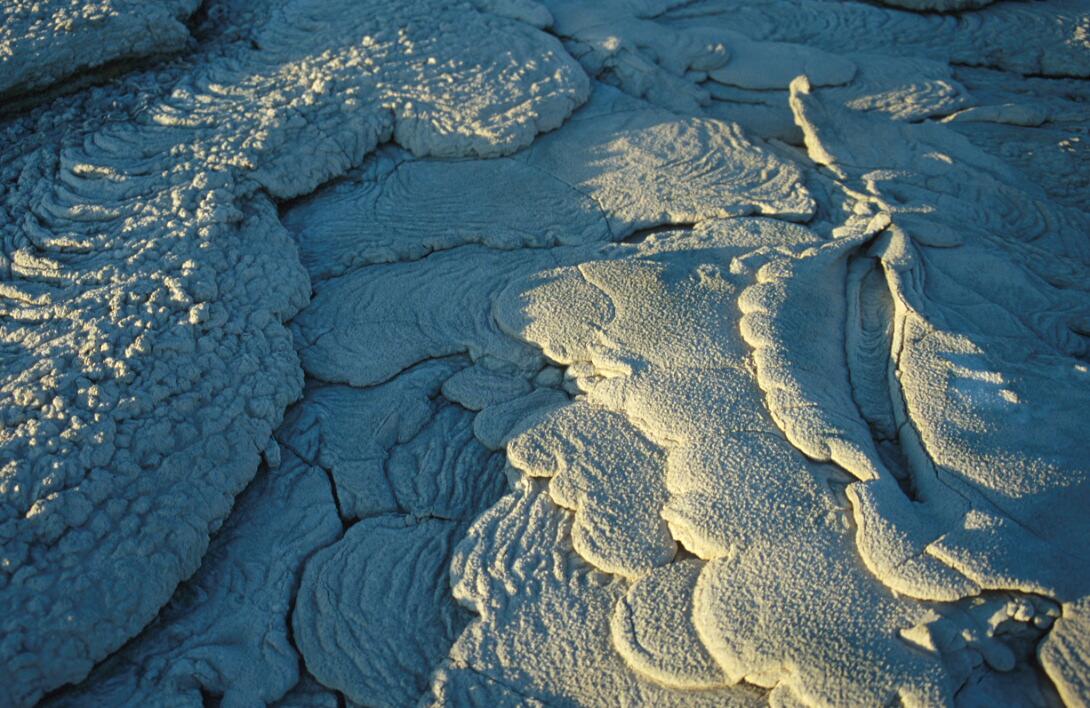
Welcome to Ol Doinyo Lengai, revered by the Maasai people as the “Mountain of God.” This strikingly steep and symmetrical active stratovolcano is located in the Gregory Rift, south of Lake Natron. What makes Ol Doinyo Lengai globally unique is its natrocarbonatite lava – a rare, cool, and highly fluid type of volcanic rock that erupts at much lower temperatures than typical silicate lavas, appearing black in sunlight but cooling to white. The climb is exceptionally challenging, typically undertaken at night to avoid the brutal daytime heat and to reach the crater rim by sunrise.
Ascending Ol Doinyo Lengai is a strenuous, adventurous, and spiritually significant undertaking, offering unparalleled views of the Rift Valley, Lake Natron, and the surrounding desolate landscape, along with the extraordinary experience of witnessing an active, unique volcano.
Why Visit/Climb Ol Doinyo Lengai?
The world's only active volcano erupting natrocarbonatite lava.
A steep, demanding ascent primarily on loose volcanic scree and ash.
A mountain of deep cultural and spiritual significance to the local Maasai people.
Incredible panoramic vistas over Lake Natron, the Rift Valley escarpment, and distant volcanoes (including Kilimanjaro on very clear days).
Witness fumaroles, hornitos, and potentially fresh (though cooled) lava flows in the active crater. (Activity levels vary).
Situated in a dramatic, arid, and less-visited part of northern Tanzania.
Often combined with exploring Lake Natron's flamingo populations and Engare Sero waterfalls.
The Ol Doinyo Lengai Climbing Spectacle
The ascent of Ol Doinyo Lengai is a serious undertaking, not for the faint-hearted or unfit.
- Night Ascent: The climb almost always begins around midnight or 1 AM. This is to:
- Avoid the extreme daytime heat of the region.
- Reach the crater rim or true summit for sunrise.
- Allow for a descent before the sun becomes too intense.
- Steep & Difficult Terrain: The climb is very steep (over 1,600m ascent in about 5-6 km), primarily on loose volcanic ash, scree, and hardened lava ribs. There’s no well-defined trail for much of it.
- Guided Climb: A local Maasai guide is essential for safety, route-finding, and cultural insight.
- Crater Rim vs. True Summit: Reaching the active crater rim is the goal for most. The true summit might be accessible depending on current volcanic activity and conditions, but the crater itself is the main point of interest.
- Volcanic Activity: The crater’s appearance and activity can change frequently. You might see steaming vents, small spatter cones (hornitos), and recently cooled, whitish natrocarbonatite flows. Direct access into the active crater floor is extremely dangerous and usually prohibited.
- Rapid Descent: The descent is also challenging and fast, often involving “skiing” down scree slopes.
Best Time to Climb Ol Doinyo Lengai
Dry Season (June - October, December - February)
- Cooler nights (though still warm at the base) and less chance of rain, which can make the loose slopes even more treacherous.
- Clearer skies offer the best chances for panoramic sunrise views.
- Road conditions to reach the base of the mountain are generally better.
Avoid Wet Seasons (March - May, November)
- Rain can make the slopes extremely slippery and dangerous.
- Flash floods can occur in the area.
- Cloud cover may obscure views.
- Roads to Lake Natron and the volcano's base can become impassable.
Important Considerations & Activities around Ol Doinyo Lengai
Extreme Difficulty: This is a very strenuous climb requiring excellent physical fitness, stamina, and mental fortitude. It’s significantly harder than Kilimanjaro summit night for its steepness and terrain.
Safety: Listen carefully to your guide. The terrain is unstable. Proper hiking boots are essential. Carry plenty of water.
Volcanic Risk: It’s an active volcano. While major eruptions are infrequent, conditions can change. Always go with a reputable guide who is aware of current conditions.
Activities at Lake Natron (often combined with the climb):
- Flamingo Viewing: Lake Natron is a critical breeding site for Lesser Flamingos.
- Engare Sero Waterfall Hike: Walk up a river gorge to a series of waterfalls where you can swim.
- Maasai Cultural Visits: Interact with local Maasai communities.
Footprints at Engare Sero: Visit the site of ancient hominid footprints preserved in volcanic ash.
No Park Fees (for the climb itself): As it’s not in a National Park, specific park entry fees for the climb don’t apply, but guide fees and village fees are standard. Access is usually through the Lake Natron Game Controlled Area.