
African Pishon Safaris

Exploring Tanzania's Northern Safari Circuit
Tanzania’s Northern Safari Circuit stands as a testament to Africa’s unparalleled biodiversity and breathtaking landscapes. This region offers travelers a chance to immerse themselves in some of the continent’s most iconic national parks and conservation areas, each with its unique allure and ecological significance.
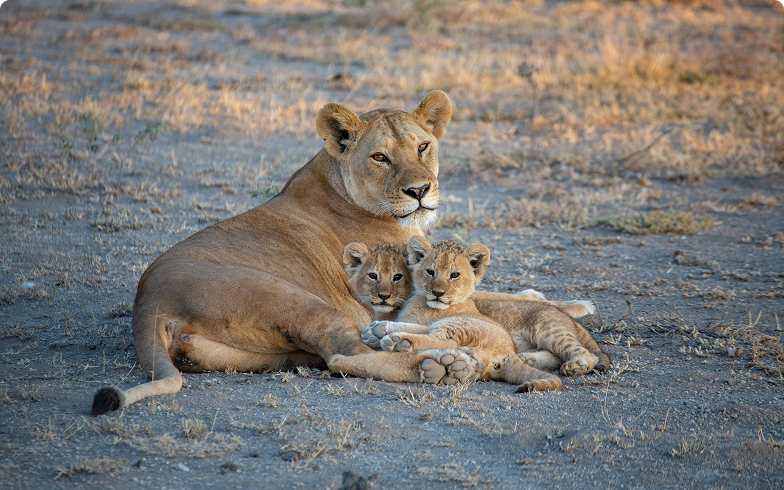
Serengeti National Park
Spanning approximately 14,750 square kilometers, the Serengeti National Park is synonymous with the quintessential African safari experience. Its vast plains are the stage for the Great Migration, where millions of wildebeest, zebras, and gazelles traverse its expanse in a continuous search for fresh grazing grounds. This annual spectacle not only showcases the raw beauty of nature but also highlights the intricate balance of the ecosystem. Beyond the migration, the Serengeti boasts a rich tapestry of wildlife, including the Big Five—lion, leopard, rhinoceros, elephant, and buffalo—making it a year-round destination for wildlife enthusiasts.
Ngorongoro Conservation Area
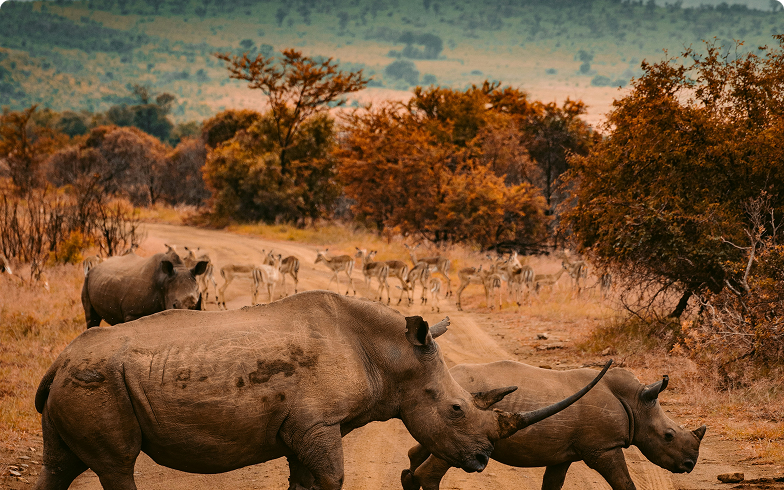
At the heart of this conservation area lies the Ngorongoro Crater, the world’s largest intact volcanic caldera. This natural enclosure, spanning about 260 square kilometers, is a microcosm of East African wildlife. The crater’s floor is a mosaic of habitats—grasslands, swamps, forests, and lakes—supporting a dense population of animals. Notably, it is one of the few places in Tanzania where visitors can observe the endangered black rhinoceros in its natural habitat. The harmonious coexistence of wildlife and the indigenous Maasai people, who graze their livestock alongside wild animals, adds a unique cultural dimension to the conservation efforts in the area.
Tarangire National Park
Often overshadowed by its more famous neighbors, Tarangire National Park is a hidden gem characterized by its ancient baobab trees and substantial elephant populations. During the dry season, from June to November, the Tarangire River becomes a vital water source, attracting diverse wildlife from the surrounding regions. This congregation offers visitors exceptional game-viewing opportunities, with sightings of predators and various herbivores in abundance. The park’s varied landscapes, from swamps to woodlands, also make it a haven for birdwatchers, boasting over 500 bird species.
Lake Manyara National Park
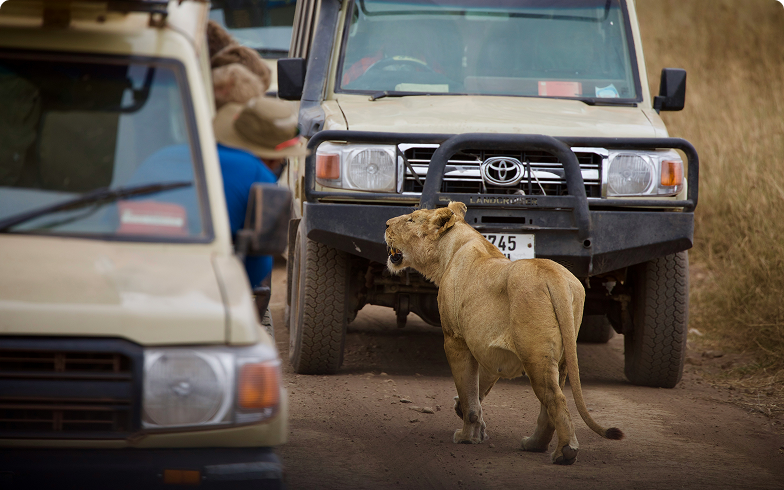
Nestled at the base of the Great Rift Valley escarpment, Lake Manyara National Park is renowned for its diverse ecosystems within a relatively small area. The park’s centerpiece, Lake Manyara, covers a significant portion of its 330 square kilometers and is a magnet for thousands of flamingos and other waterbirds. The groundwater forests near the lake’s edge provide a lush habitat for troops of baboons and blue monkeys. One of the park’s unique attractions is its tree-climbing lions, often spotted lounging on acacia branches—a behavior observed in only a few lion populations worldwide
Arusha National Park
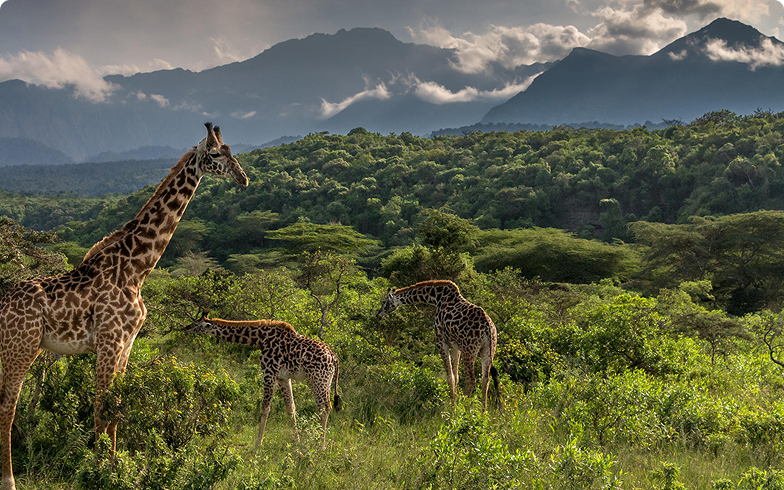
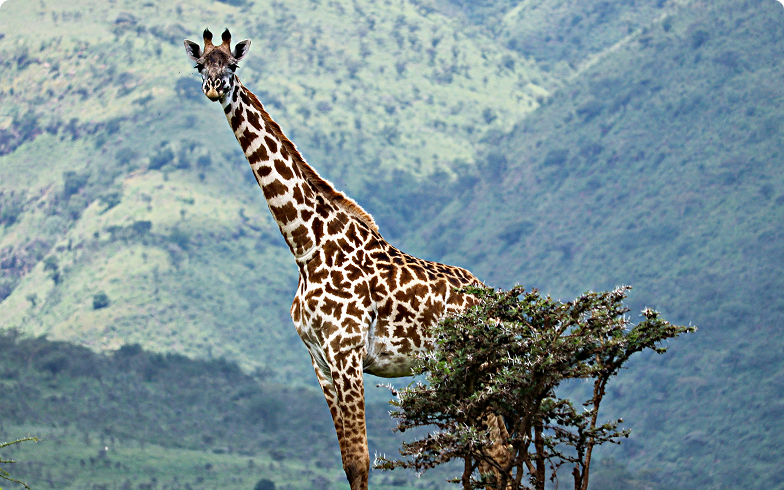
Serving as the gateway to the Northern Safari Circuit, Arusha National Park offers a diverse array of landscapes, from the montane forests of Mount Meru to the tranquil shores of Momella Lakes. Despite its relatively small size, the park is rich in biodiversity. Visitors can encounter giraffes, buffaloes, zebras, and a variety of antelope species. The park’s forests are also home to the acrobatic black-and-white colobus monkeys. For those seeking a more active experience, Mount Meru presents a rewarding trekking opportunity, offering panoramic views of the surrounding landscapes and serving as an acclimatization climb for those aiming to summit Mount Kilimanjaro
Mount Kilimanjaro National Park
Dominating the horizon, Mount Kilimanjaro is Africa’s highest peak, standing at 5,895 meters. The mountain’s snow-capped summit has beckoned adventurers from around the globe. Climbers traverse through five distinct ecological zones—from tropical rainforests at its base to the arctic conditions at its peak. Each route up the mountain offers unique experiences, with varying levels of difficulty and scenic beauty. Beyond the climb, the surrounding park is rich in flora and fauna, making it a UNESCO World Heritage Site and a testament to Tanzania’s natural heritage.