Welcome to Katavi National Park, one of Tanzania’s most remote, wild, and least visited protected areas. Located in the far west of the country, Katavi offers
Katavi National Park
Discover True Wilderness in Remote Western Tanzania
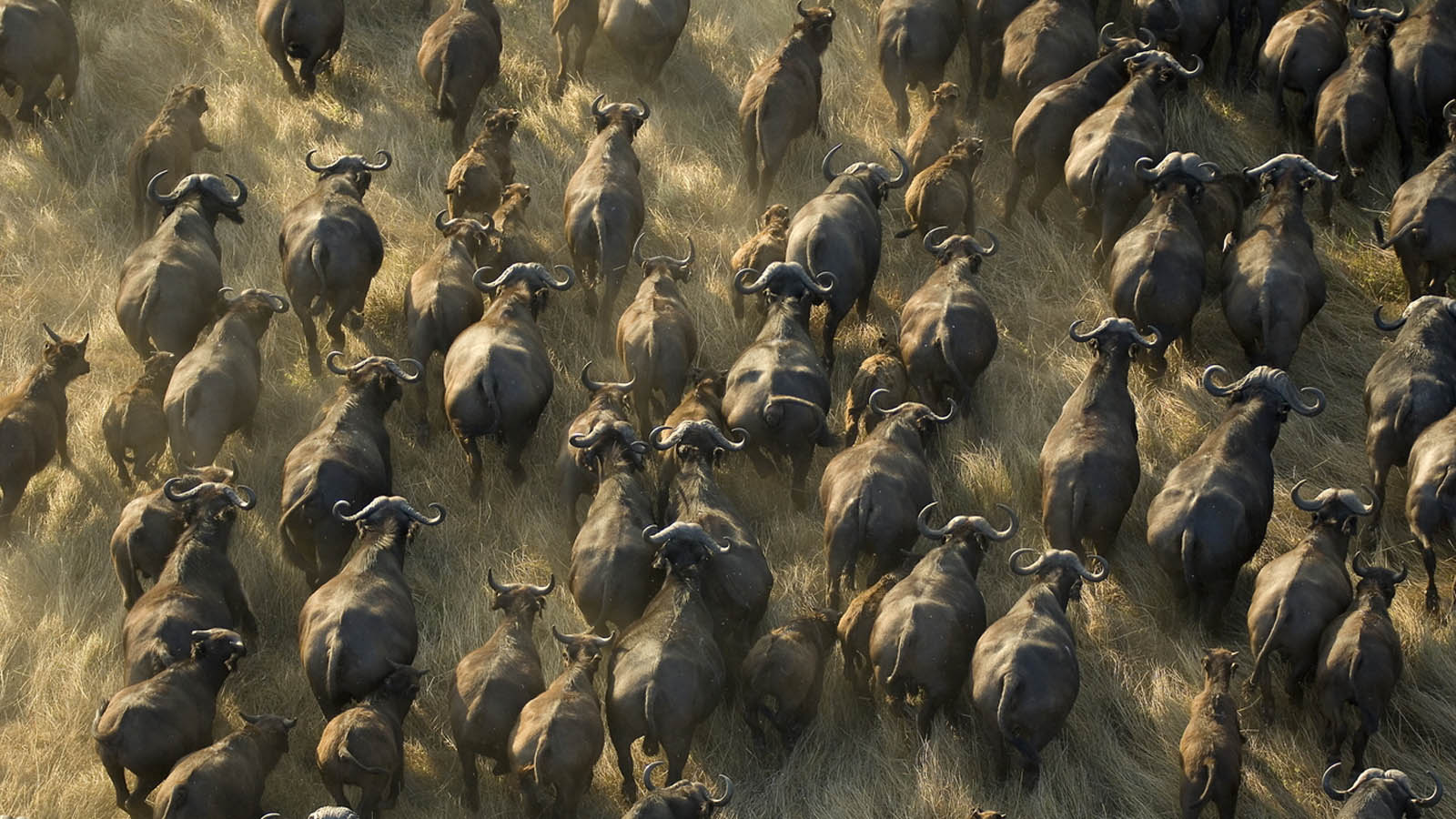
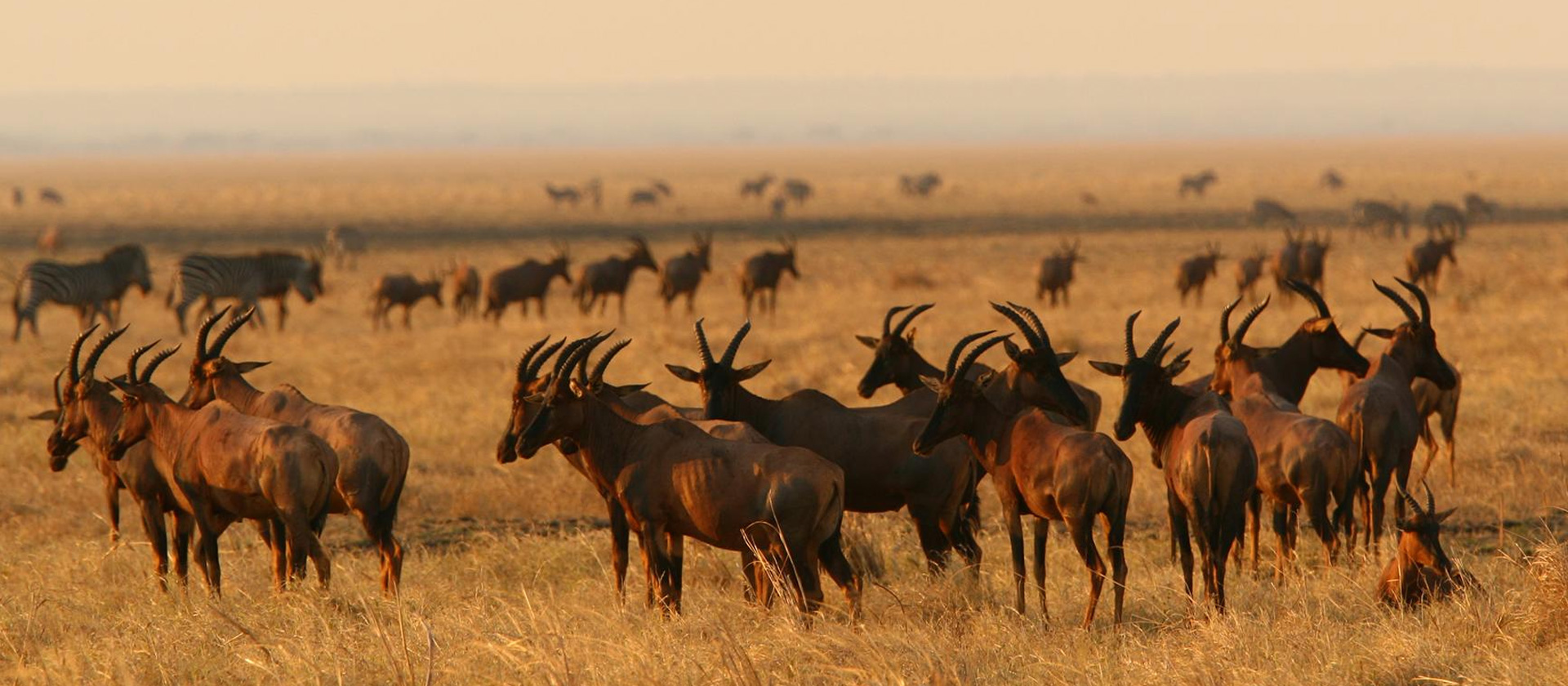
Welcome to Katavi National Park, one of Tanzania’s most remote, wild, and least visited protected areas. Located in the far west of the country, Katavi offers an unadulterated wilderness experience, reminiscent of Africa decades ago. It is a land of vast floodplains, miombo woodlands, and the life-sustaining Katuma River and its associated lakes, Chada and Katavi. During the dry season, Katavi becomes a theater of raw nature, renowned for its incredible concentrations of hippos and crocodiles, as well as huge herds of buffalo and significant predator populations.
For the intrepid safari-goer seeking solitude, vast open spaces, and dramatic wildlife spectacles away from the crowds, Katavi promises an unforgettable journey into one of Africa’s last truly wild frontiers.
Why Visit Katavi National Park?
Experience a truly wild and unspoiled part of Africa with very few other visitors.
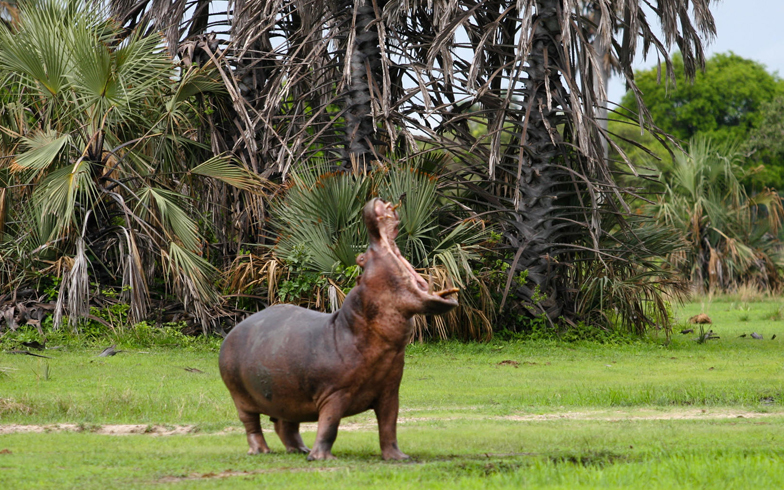
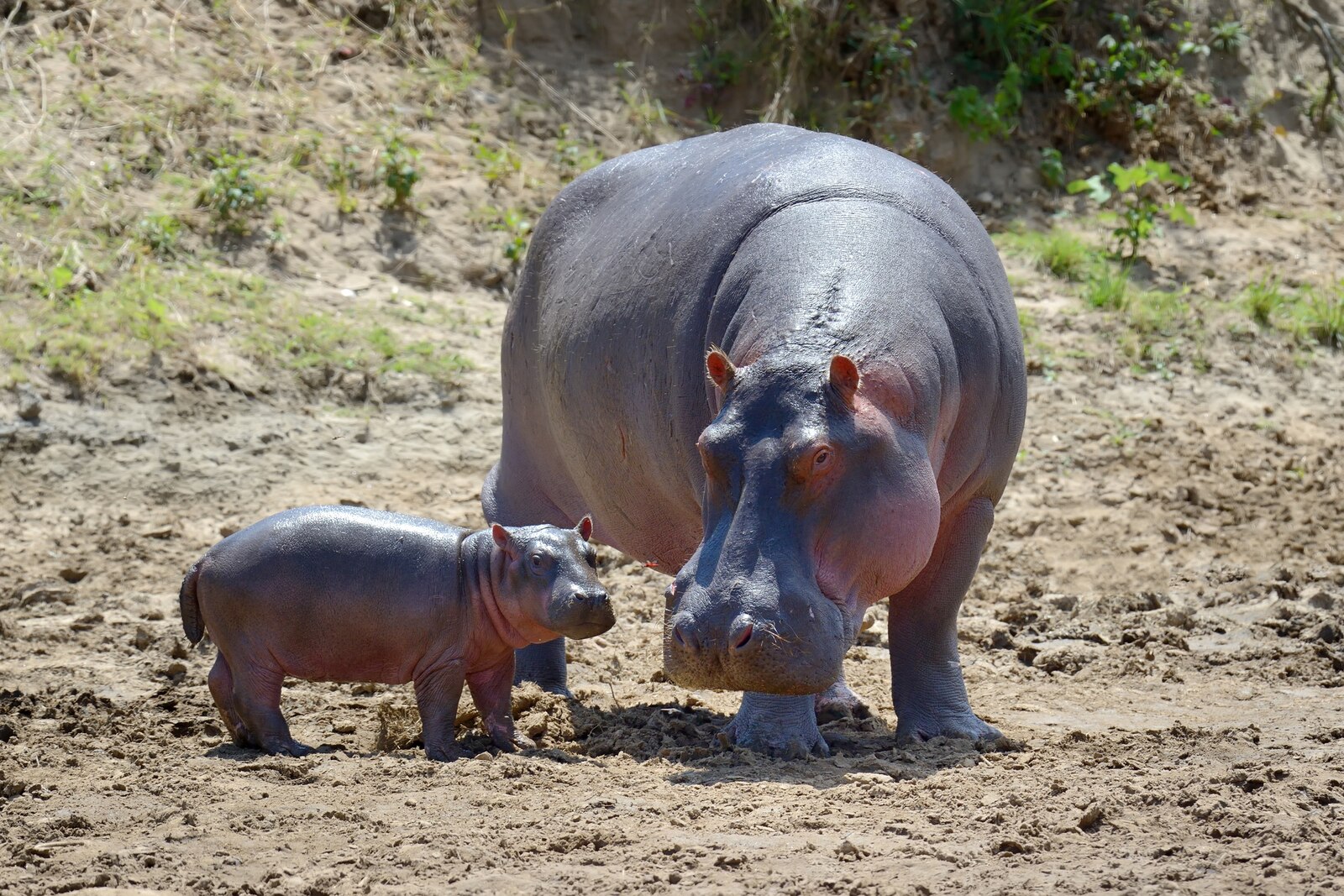
Witness staggering numbers of hippos (often thousands) and crocodiles congregating in shrinking water sources.
Home to some of the largest buffalo herds on the continent.
Strong populations of lions, leopards, and hyenas, often seen hunting around the hippo pools. Wild dogs are also present, though elusive.
Explore expansive floodplains like Katisunga and Chada, miombo woodlands, and acacia bush.
Limited accommodation and infrastructure enhance the sense of being deep in the African bush.
Rich in waterbirds and woodland species, with over 400 species recorded.
The Rufiji River Spectacle
Katavi’s legendary status is intrinsically linked to its dramatic dry season (typically June to October). As the floodplains dry up, the Katuma River and its associated seasonal lakes become the sole sources of water and sustenance for miles around.
- Hippo Congregations: The park is famous for its astonishingly dense hippo pods. Hundreds, sometimes thousands, cram into the remaining muddy pools, leading to intense competition and dramatic interactions.
- Crocodile Densities: Large Nile crocodiles also gather in these pools and bask on the banks in impressive numbers.
- Predator Hotspot: The concentration of prey around the water sources attracts large prides of lions, often seen attempting to hunt buffalo or even hippos. Leopards and hyenas are also very active.
- Elephant and Buffalo Herds: Large herds of elephants and buffalo migrate towards the river and remaining green areas.
- The Katuma River: This seasonal river is the lifeline. As it recedes, it leaves a series of pools that become the focal points of all life, offering unparalleled game viewing.
Best Time to Visit Katavi National Park
Dry Season (June - October/November)
- Hot, dry days with cooler nights. Virtually no rain.
- Spectacular Wildlife Viewing: This is the prime time to visit. Animals are concentrated in enormous numbers around the Katuma River, Lake Katavi, and Lake Chada.
- The famous hippo and crocodile congregations are at their peak.
- Vegetation is sparse, making game spotting easier.
- Tsetse flies can be present, especially in woodland areas; come prepared.
Wet / Green Season (December - April)
- The landscape transforms into a lush, green expanse. The floodplains fill with water.
- Excellent Bird Watching: Migratory birds arrive, and resident birds are in breeding plumage. The wetlands become a birders' paradise.
- Wildlife disperses across the park due to widespread water and fresh grazing. Sightings are less concentrated but the scenery is beautiful.
- Many camps are closed during the peak of the wet season (often March-May) due to inaccessibility and challenging conditions.
- Roads can become very difficult or impassable. Access is primarily by air.
- Fewer tsetse flies.
Activities in Katavi National Park
Game Drives: The primary way to explore Katavi’s vastness, focusing on the river systems and floodplains. Due to the park’s size and remoteness, drives can be long and exceptionally rewarding.
Walking Safaris: An excellent way to experience Katavi’s wilderness up close. Guided walks with an armed ranger offer insights into tracking, plants, insects, and the thrill of approaching game on foot.
Fly Camping: Some camps offer the ultimate wilderness experience with basic fly camps set up in remote locations, allowing you to sleep under the stars.
Bird Watching: Superb opportunities, especially during the wet season and along the river and lakes.
Visits to Historical Sites: Limited, but some historical/cultural points of interest, like the sacred tamarind tree believed to be inhabited by the spirit of the legendary hunter Katabi (after whom the park is named), can be visited.