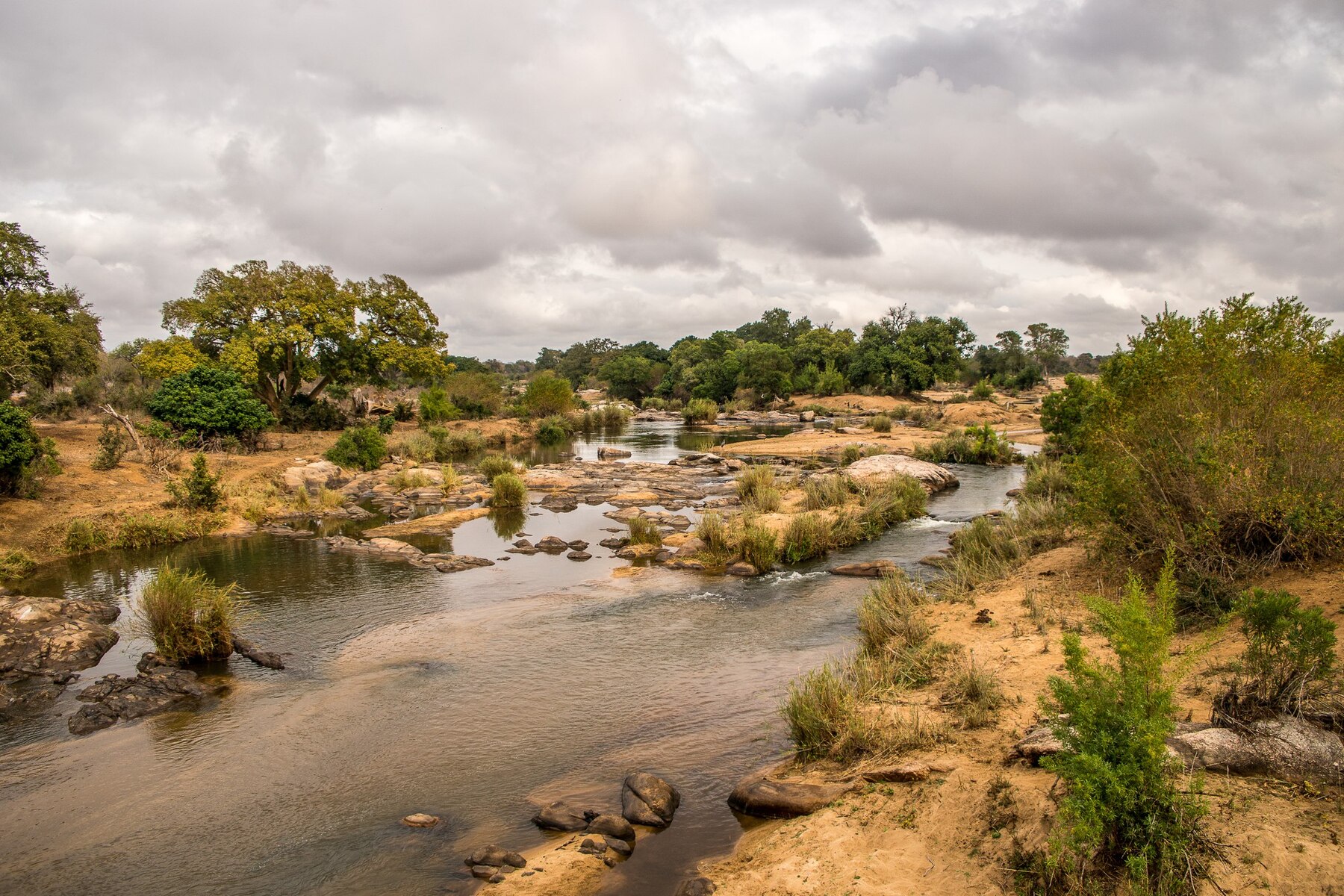
Welcome to the Lake Eyasi area, a shallow, seasonal soda lake located in the Rift Valley, southwest of the Ngorongoro Crater. While the lake itself can be quite dramatic when full, the primary attraction of this region is cultural
Lake Eyasi (Cultural & Scenic Destination)
Discover Traditional Lifestyles near a Seasonal Soda Lake
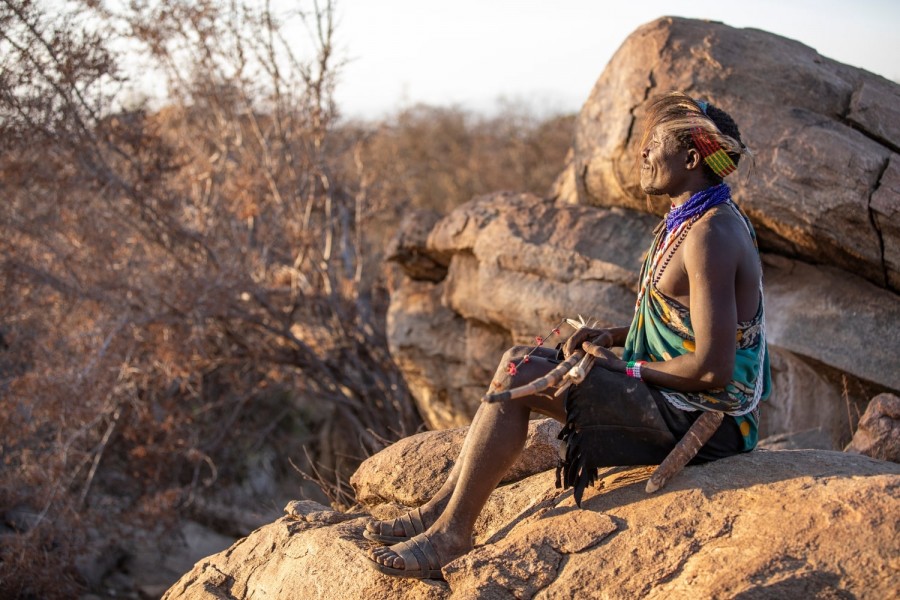
Welcome to the Lake Eyasi area, a shallow, seasonal soda lake located in the Rift Valley, southwest of the Ngorongoro Crater. While the lake itself can be quite dramatic when full, the primary attraction of this region is cultural: it is home to some of Tanzania’s most traditional ethnic groups, including the Hadzabe (Hadza) hunter-gatherers and the Datoga (Barabaig) pastoralists and blacksmiths. A visit offers a unique opportunity to interact with these communities and gain insight into ancient lifestyles that have persisted for thousands of years.
Lake Eyasi provides a fascinating contrast to the wildlife-focused safaris, offering a deep dive into human history and cultural heritage against the backdrop of a serene, semi-arid Rift Valley landscape.
Why Visit Lake Eyasi?
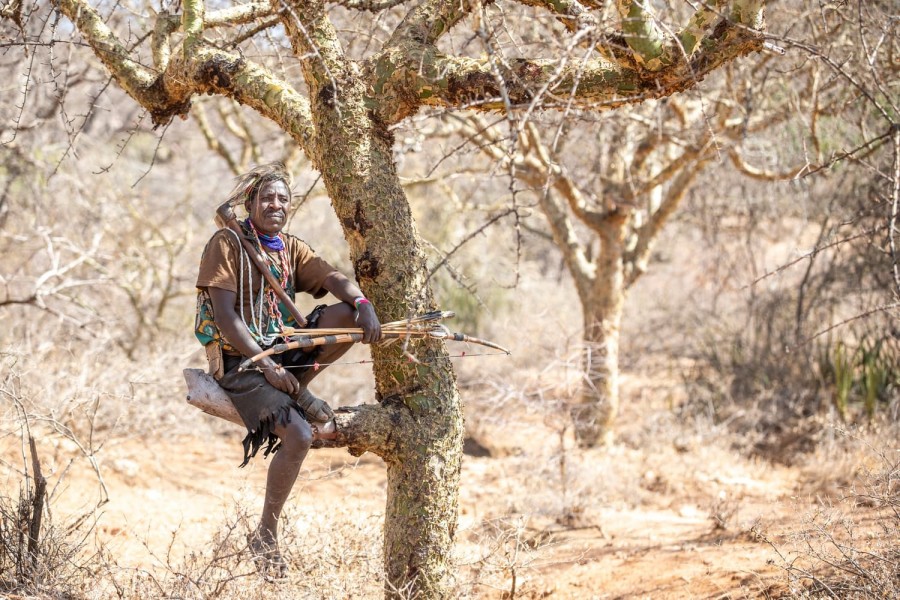
Interact with the Hadzabe, one of the last remaining hunter-gatherer tribes in Africa, and the Datoga pastoralists and blacksmiths.
Participate in (or observe) a Hadzabe hunting or gathering excursion, and see Datoga blacksmiths at work.
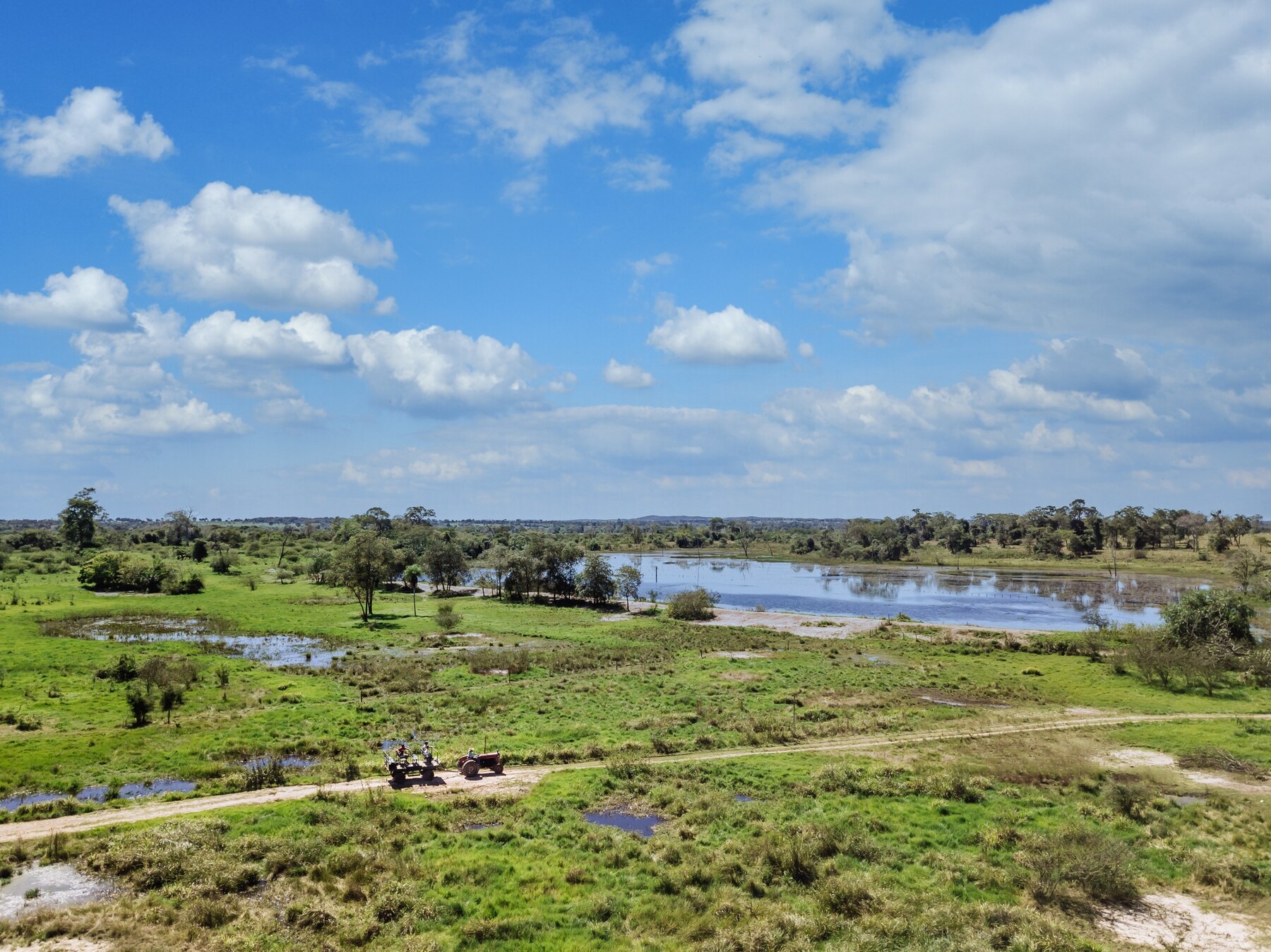
The lake basin is set within a beautiful, rugged landscape with dramatic escarpments.
When the lake has water, it attracts various waterbirds, including flamingos and pelicans.
Offers a quieter, more intimate cultural experience compared to more mainstream tourist areas.
Capture unique cultural interactions and the distinct landscapes.
he Usambara Mountains Hiking & Cultural Spectacle
The main draw is the opportunity for authentic interaction with the indigenous communities.
- Hadzabe Hunter-Gatherer Experience:
- Join Hadzabe men on an early morning hunting trip (using bows and arrows to hunt small game and birds).
- Accompany Hadzabe women as they gather wild fruits, roots, and tubers.
- Learn about their unique click language, survival skills, and minimal-impact way of life.
- Witness traditional dances and storytelling.
- Datoga (Barabaig) Village Visit:
- Visit a Datoga homestead and learn about their pastoralist traditions and distinctive culture (known for their decorative scarification).
- Observe Datoga blacksmiths crafting arrowheads, knives, and jewelry from scrap metal using traditional methods.
- The Lake Itself: Lake Eyasi is a seasonal soda lake. During the dry season, it can shrink significantly or dry up almost completely, leaving vast, cracked mudflats. When it holds water (especially after the rains), it attracts waterbirds and provides scenic views.
Best Time to Visit Lake Eyasi
Dry Season (June - October, December - February)
- Most comfortable weather for cultural activities and walking.
- Easier access to the Hadzabe and Datoga communities, as roads are better.
- The lake levels will be lower, which might mean fewer waterbirds but easier access across the flats if necessary.
Wet Season (March - May, November)
- The landscape becomes greener and more lush.
- The lake may have more water, attracting more birdlife.
- Roads can become very muddy and difficult, potentially making access to some communities challenging.
- Some cultural activities might be affected by heavy rain.
Year-Round for Cultural Interactions:
- The Hadzabe and Datoga are resident, so cultural visits are possible throughout the year, but logistical ease and comfort are better in the dry season.
Activities around Lake Eyasi
Hadzabe Hunting & Gathering Excursions: The primary cultural activity.
Datoga Village & Blacksmith Visits: Learn about their culture and crafts.
Walking Safaris around the Lake: Explore the lake shore (when dry enough) and surrounding bush with a local guide.
Bird Watching: Especially when the lake has water.
Sunset Viewing: The Rift Valley setting often provides beautiful sunsets over the lake or escarpment.
Learning about Local Flora & Fauna: Guides can point out medicinal plants and signs of local wildlife.