Lake Victoria (Mwanza & Rubondo Island NP)
Discover Freshwater Giants and Unique Island Ecosystems
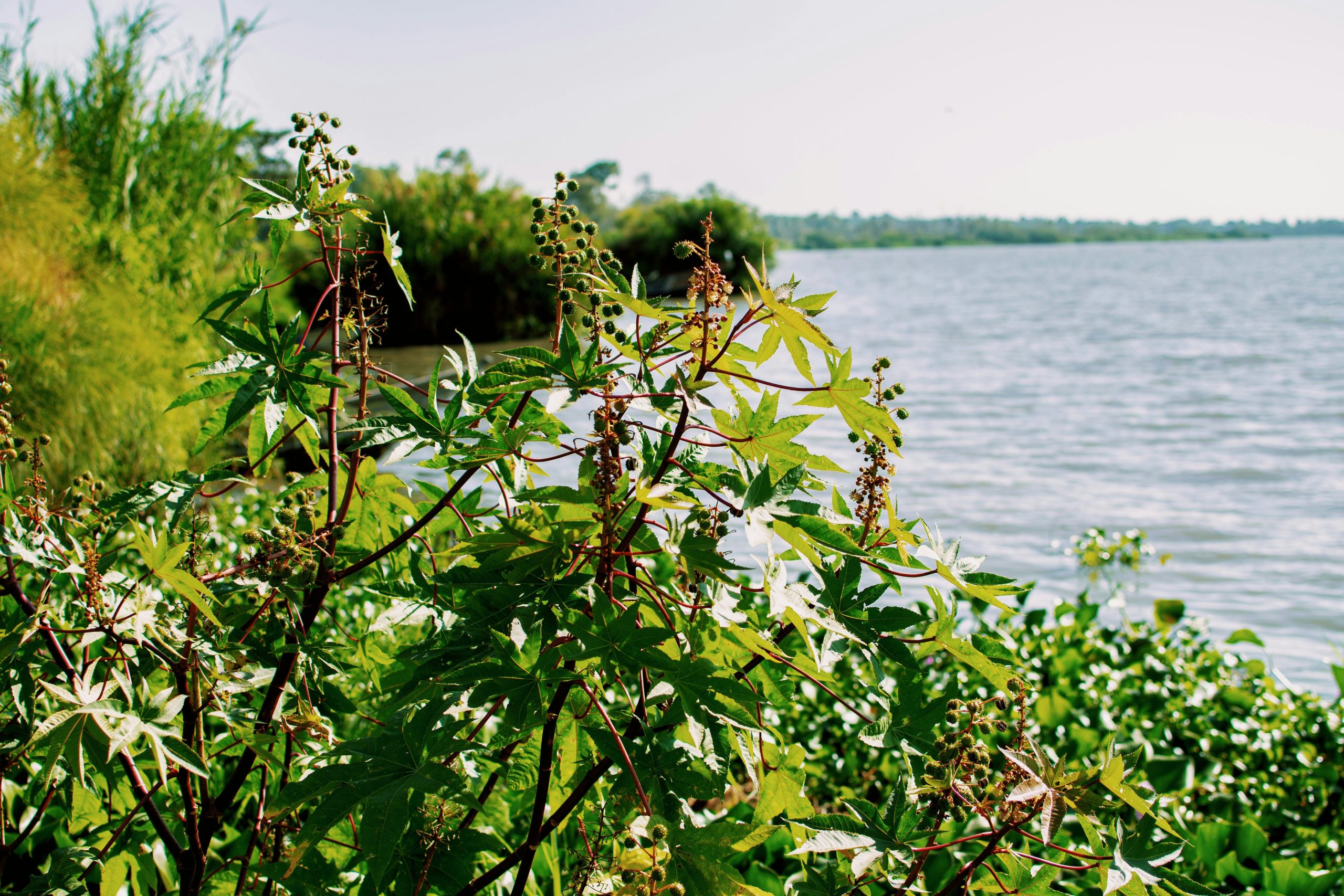
Welcome to Lake Victoria, Africa’s largest lake by area and the world’s largest tropical lake. While vast, the Tanzanian sections offer unique experiences, particularly around the city of Mwanza (“Rock City”) and within Rubondo Island National Park. Mwanza provides a vibrant lakeside urban experience with fascinating rock formations, while Rubondo Island is a verdant, forested sanctuary teeming with introduced and native wildlife, including chimpanzees (not habituated for tracking like in Gombe/Mahale), sitatunga antelope, elephants, and incredible birdlife.
Lake Victoria offers a different facet of Tanzania – a freshwater inland sea with bustling fishing communities, tranquil island retreats, and unique wildlife encounters, distinct from the savanna or mountain experiences.
Why Visit Lake Victoria (Tanzanian side)?
Experience the sheer scale and importance of this freshwater body.
A unique island park offering forest walks, boat safaris, bird watching, and sitatunga sightings.
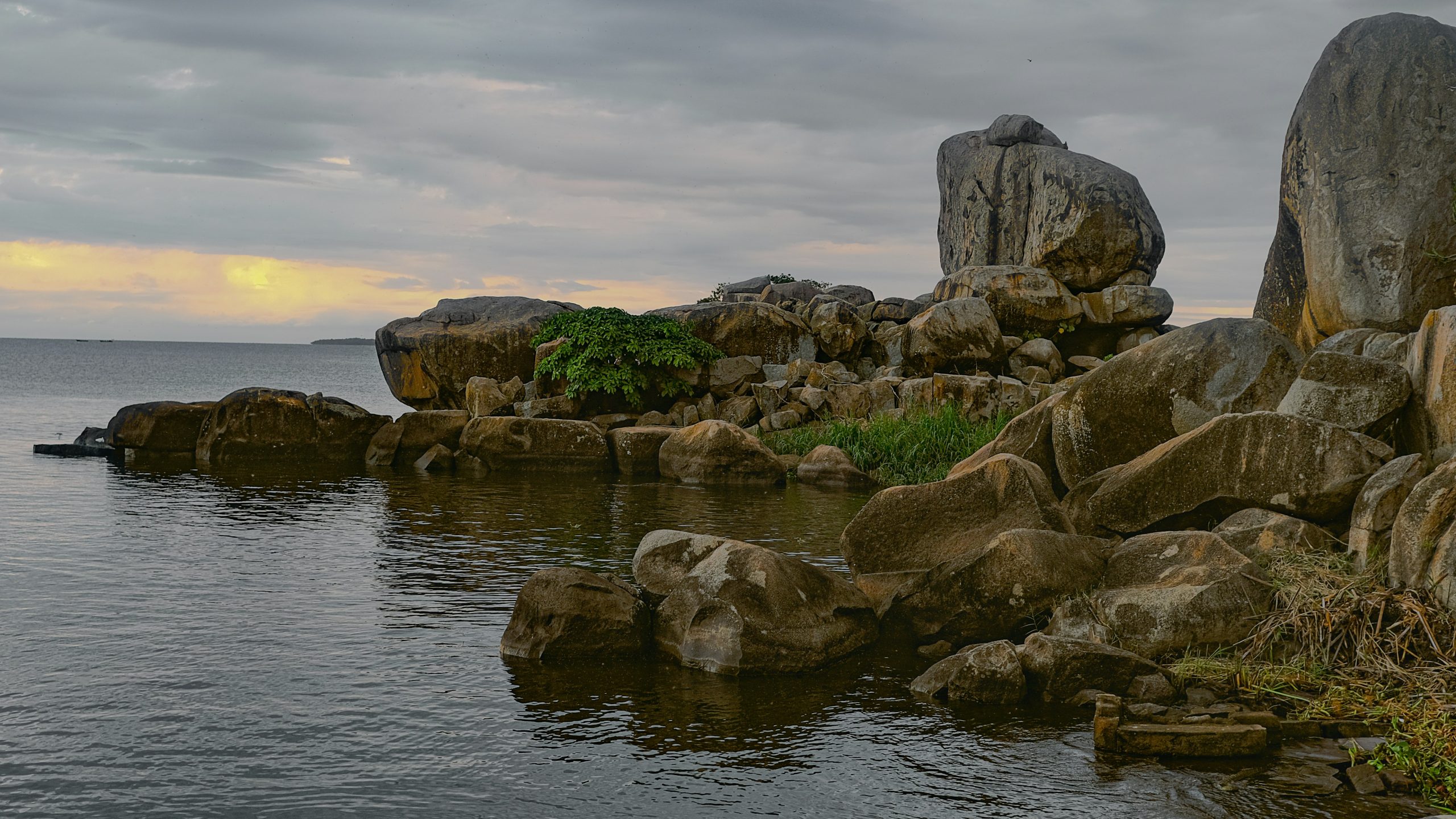
Discover the bustling port city with its distinctive granite tors (kopjes), including the famous Bismarck Rocks.
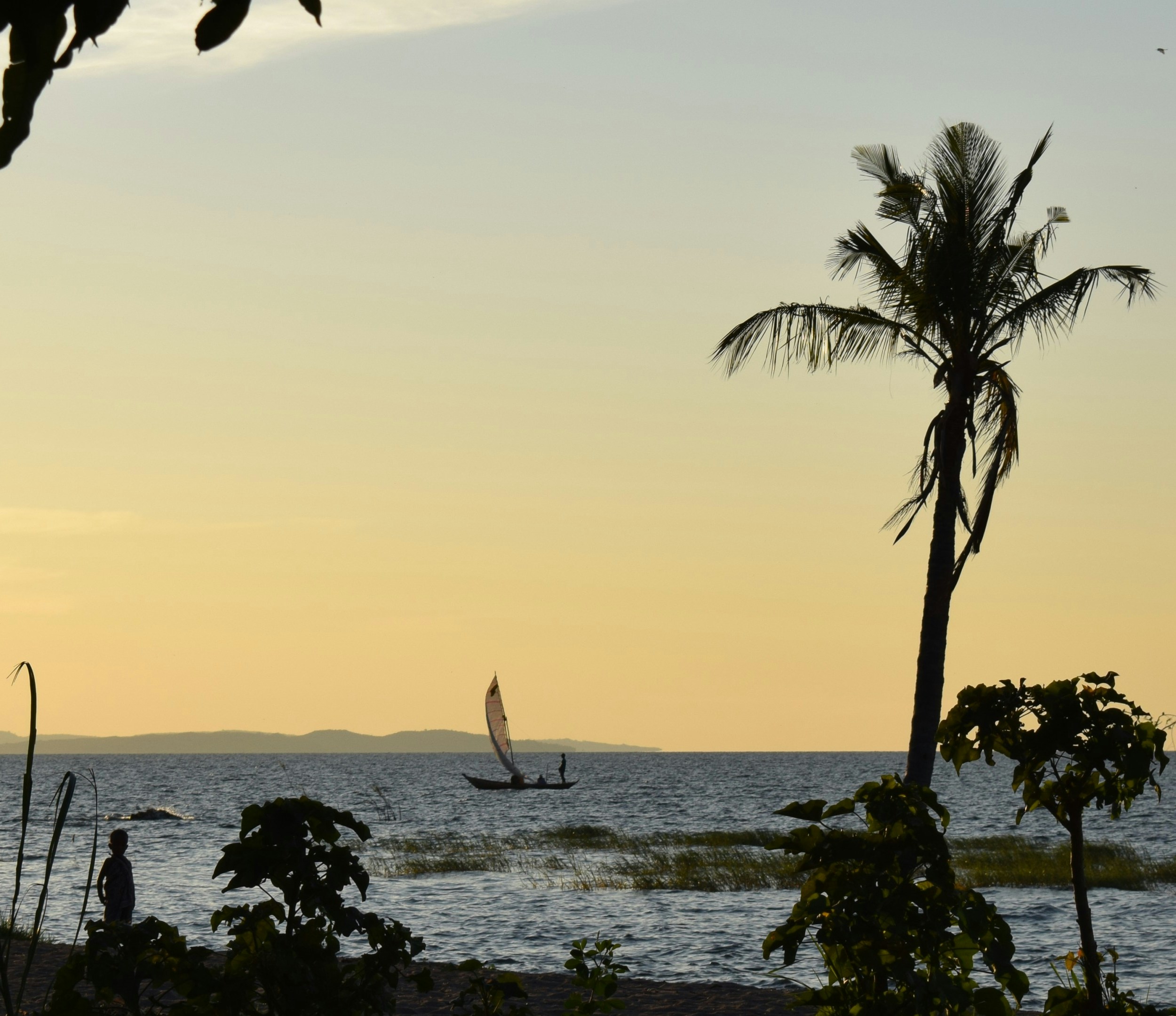
Witness the daily life of communities dependent on the lake.
The lake and its islands are havens for waterbirds and forest species.
See sitatunga, elephants, giraffes, hippos, crocodiles, and potentially spot chimpanzees (from a distance/by chance).
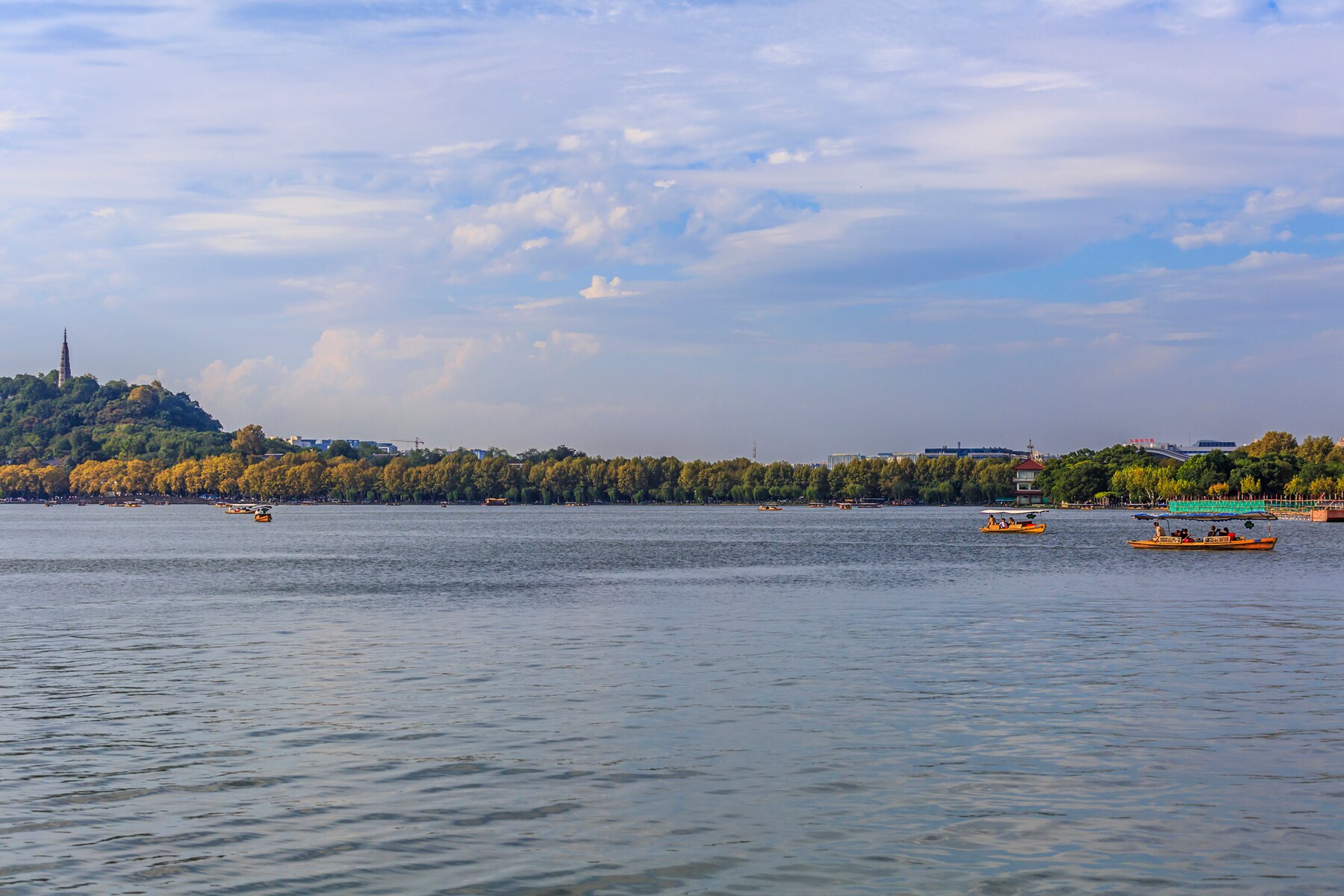
Enjoy excursions on the lake.
The Lake Victoria Spectacle
- Mwanza Region:
- Bismarck Rocks: Iconic granite formations in the lake near Mwanza, a symbol of the city.
- Saanane Island National Park: A very small park near Mwanza, easily accessible for a day trip, with impala, zebra, monkeys, and rock hyraxes.
- Local Fish Markets: Experience the vibrant and bustling atmosphere of fish markets.
- Rubondo Island National Park:
- Island Wilderness: Over 75% of the island is pristine, untouched equatorial rainforest.
- Sitatunga Antelope: Rubondo is one of the best places to see this shy, swamp-dwelling antelope.
- Introduced Chimpanzees: A population of chimpanzees was introduced in the 1960s; they are wild and not habituated for close-up tracking, but sightings are possible.
- Elephants & Giraffes: Also introduced and thriving on the island.
- Boat Safaris: Explore the island’s coastline, numerous bays, and papyrus swamps, spotting hippos, crocodiles, and waterbirds.
- Forest Walks: Guided walks through the dense forest to look for wildlife and birds.
Best Time to Visit Lake Victoria
Dry Seasons (June - October, December - February)
- Pleasant weather for boating, walking, and exploring Mwanza.
- Rubondo Island: Good for forest walks as paths are drier. Wildlife may be more concentrated near water sources on the island. Conditions for boat safaris are generally calmer.
- Good visibility.
Wet Seasons (March - May, November)
- The landscape around the lake becomes very green and lush.
- Excellent for bird watching around the lake and on Rubondo, as migratory birds may be present and resident birds are often breeding.
- Rubondo Island: Forests are at their most vibrant. Sitatunga may be easier to see as they come out to feed on fresh growth.
- Rain can disrupt boating activities and make forest trails on Rubondo muddy.
- Mwanza can experience heavy downpours.
Activities around Lake Victoria (Tanzania)
Mwanza:
- City Tours: Explore Mwanza, visit the Bismarck Rocks, local markets.
- Day Trip to Saanane Island National Park: Walking and wildlife viewing.
- Boat Trips & Sunset Cruises: Enjoy excursions on the lake.
Rubondo Island National Park:
- Guided Forest Walks: Search for primates, birds, and other forest dwellers.
- Boat Safaris: Explore the coastline, look for hippos, crocodiles, sitatunga, and waterbirds.
- Canoeing (where permitted): A quieter way to explore some inlets.
- Fishing: Catch-and-release sport fishing for Nile perch and tilapia can be arranged.
- Bird Watching: Exceptional opportunities both in the forest and on the water.
- Chimpanzee Spotting (opportunistic): While not guaranteed or a formal tracking activity, guides will be on the lookout.