Welcome to Mikumi National Park, the fourth-largest national park in Tanzania and the most accessible part of the vast Selous Ecosystem (which includes Nyerere NP). Bisected by the main Tanzania-Zambia highway,
Mikumi National Park
Discover Wildlife Crossroads on the Doorstep of Dar es Salaam
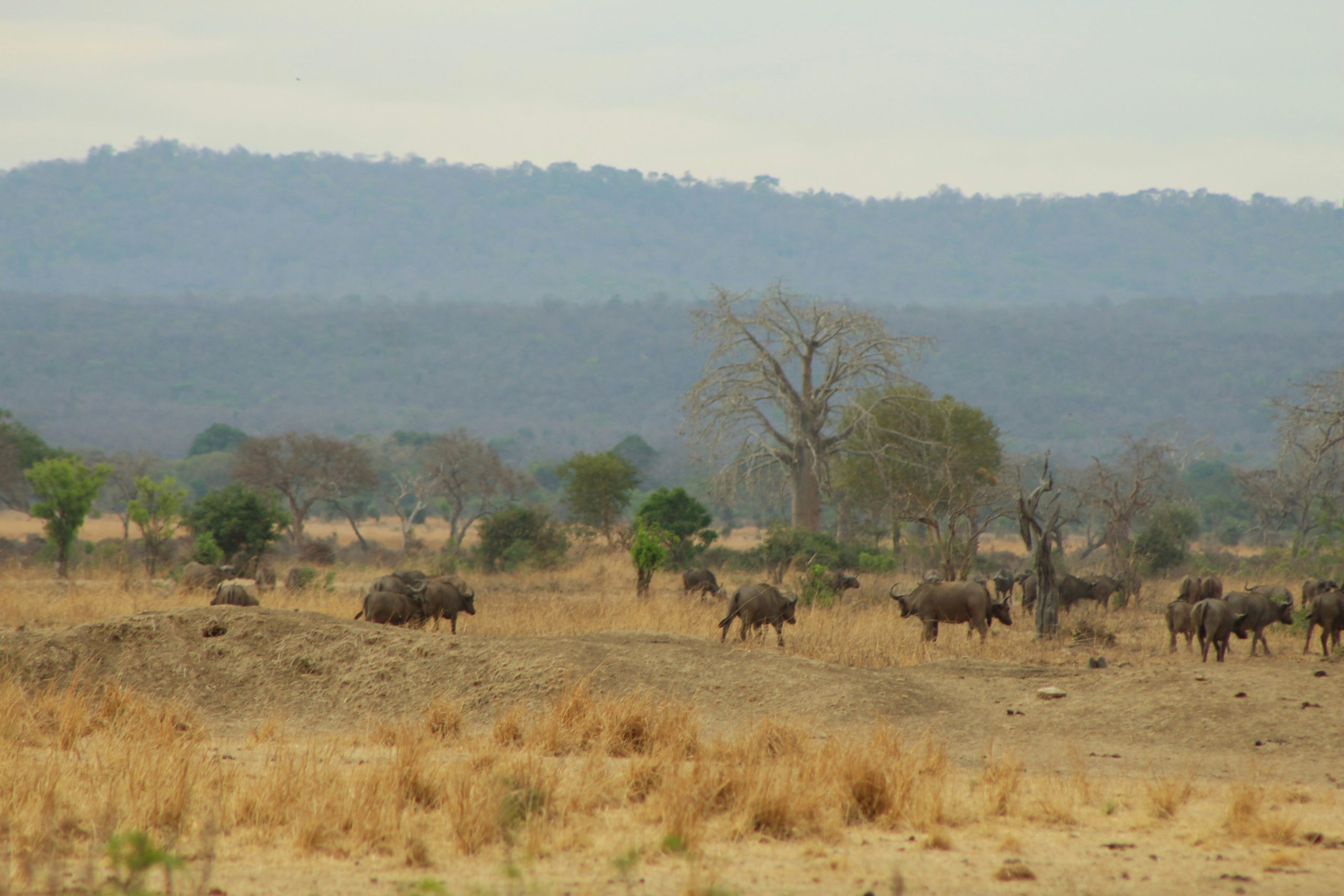
Welcome to Mikumi National Park, the fourth-largest national park in Tanzania and the most accessible part of the vast Selous Ecosystem (which includes Nyerere NP). Bisected by the main Tanzania-Zambia highway, Mikumi offers a fantastic introduction to southern Tanzania’s wildlife, with open horizons and abundant game. The Mkata Floodplain, the park’s centerpiece, draws comparisons to the Serengeti plains and teems with life, especially during the dry season.
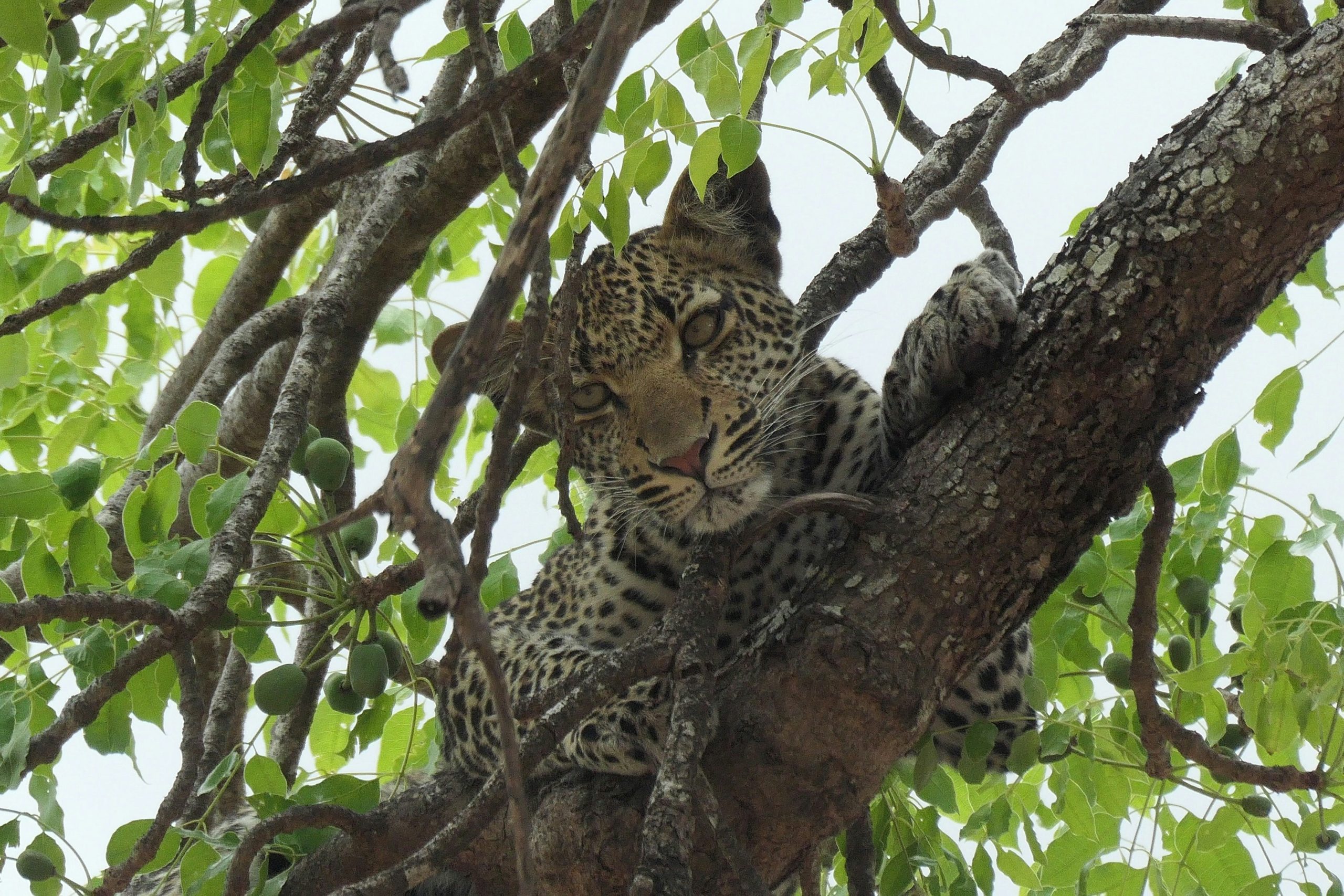
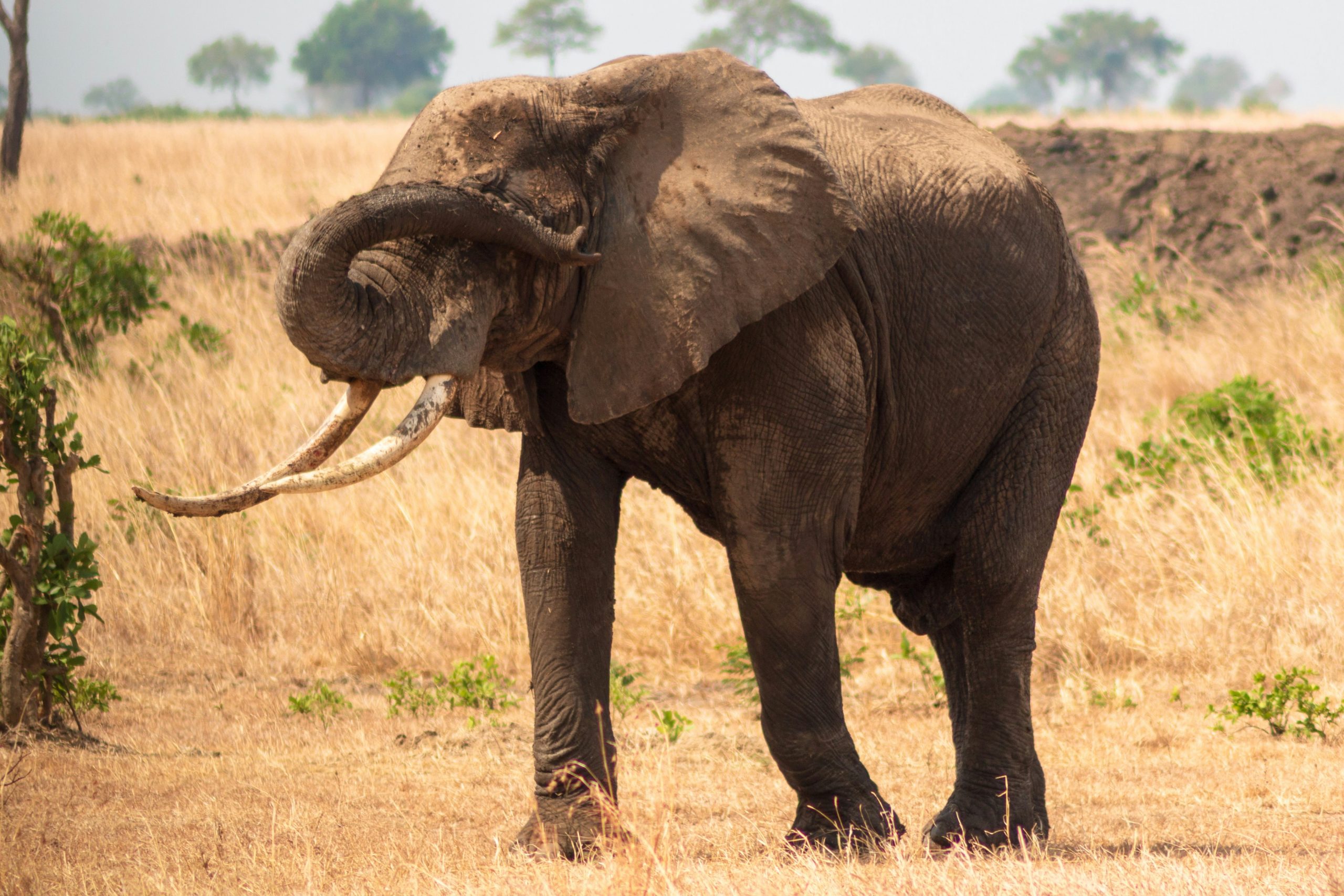
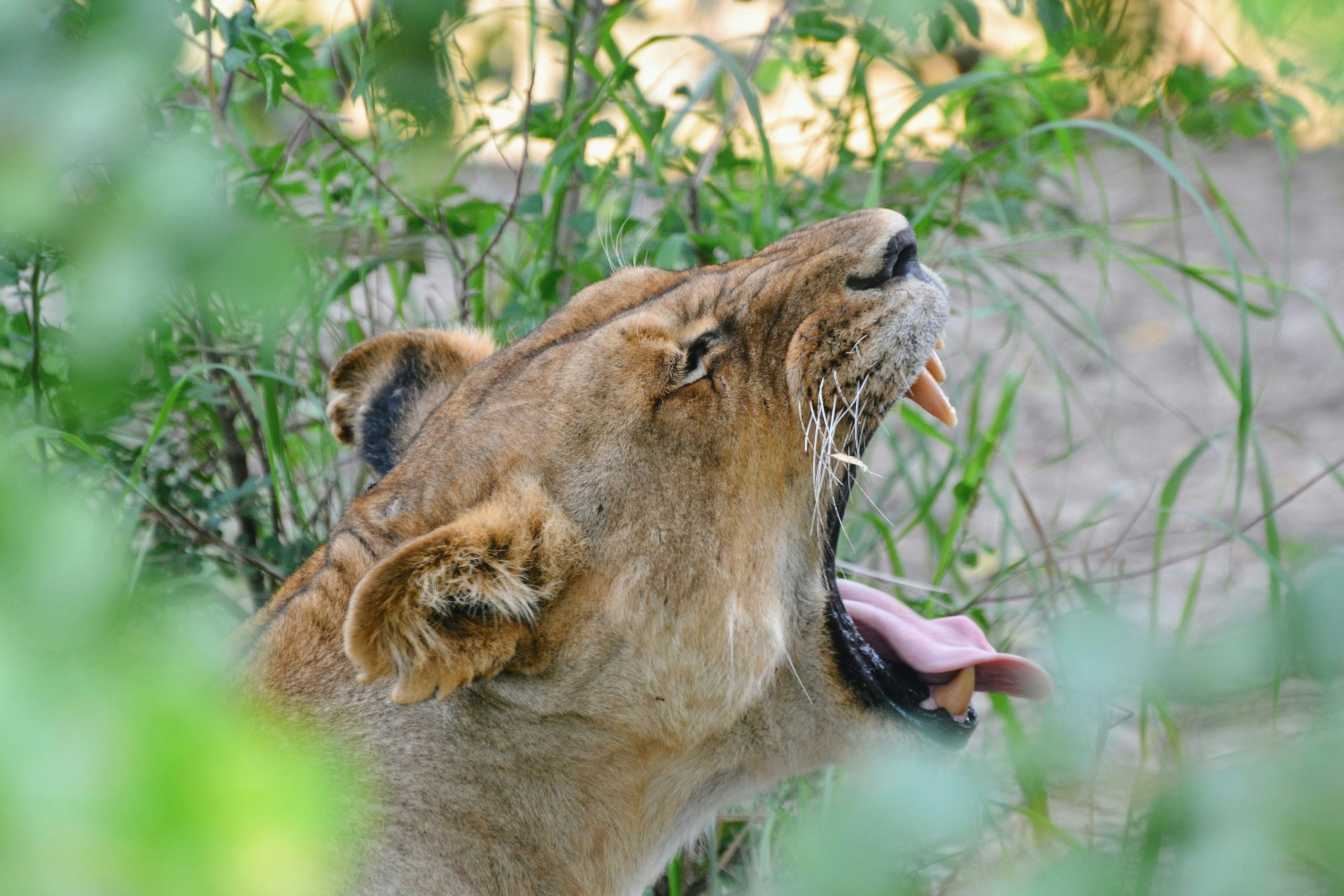
With its easy road access from Dar es Salaam, diverse wildlife including the “Big Four” (lion, leopard, elephant, buffalo – rhino are absent), and scenic landscapes, Mikumi is an excellent option for those with limited time or seeking a convenient safari experience in the southern circuit.
Why Visit Mikumi National Park?
Easily reached by road from Dar es Salaam, making it ideal for shorter safaris or those combining a beach holiday with wildlife.
A beautiful open savanna teeming with grazers like wildebeest, zebra, impala, and eland, attracting predators.
Good populations of elephant, buffalo, giraffe, zebra, wildebeest, lion, and leopard. Sightings of eland (world's largest antelope) are common.
Over 400 bird species recorded, including the lilac-breasted roller and bateleur eagle.
Features open grasslands, miombo woodlands, and mountainous backdrops.
Often a starting point for longer safaris to Ruaha, Udzungwa, or Nyerere.
The Mkata Floodplain Spectacle
The Mkata Floodplain is the heart of Mikumi National Park and its prime game-viewing area.
- Open Savannah Vistas: The wide-open grasslands offer excellent visibility and are reminiscent of the Serengeti.
- Concentrations of Grazers: Large herds of zebra, wildebeest, impala, buffalo, and eland congregate on the plains, especially during the dry season.
- Predator Action: Lions are frequently seen on the plains, and leopards can be found in the scattered acacia trees or sausage trees.
- Hippo Pools: Two hippo pools (north and south of the main road) provide reliable sightings of these large mammals.
- Unique Flora: Dotted with baobabs, tamarinds, and iconic sausage trees.
Best Time to Visit Mikumi National Park
Dry Season (June - October)
- Pleasant, warm days and cool nights. Minimal rainfall.
- Excellent Wildlife Viewing: Animals congregate around the Mkata River and other water sources on the floodplain, making them easier to spot.
- Vegetation is sparse.
- This is the peak tourist season.
Wet / Green Season (November - May)
- The landscape becomes lush and green; beautiful for photography.
- Good for Bird Watching: Migratory birds arrive, and resident species are active.
- Wildlife is more dispersed due to widespread water and fresh vegetation.
- Short rains (Nov-Dec) are usually afternoon showers. Long rains (March-May) can be heavier, and some less-used tracks might become muddy, but the main game viewing areas on the floodplain remain accessible.
- Fewer tourists and potentially lower rates.
Activities in Mikumi National Park
Game Drives: The primary activity, focusing on the Mkata Floodplain and surrounding woodlands.
Walking Safaris: Guided walks are sometimes offered in certain areas, providing a different perspective on the bush (check with your lodge/operator).
Bird Watching: The park’s diverse habitats support a rich array of birdlife.
Visits to Hippo Pools: Observe hippos and associated birdlife.
Picnic Sites: Enjoy a bush breakfast or lunch at designated picnic spots.
(While not strictly inside Mikumi, it’s often combined with a visit to the nearby Udzungwa Mountains National Park for hiking and primate viewing).