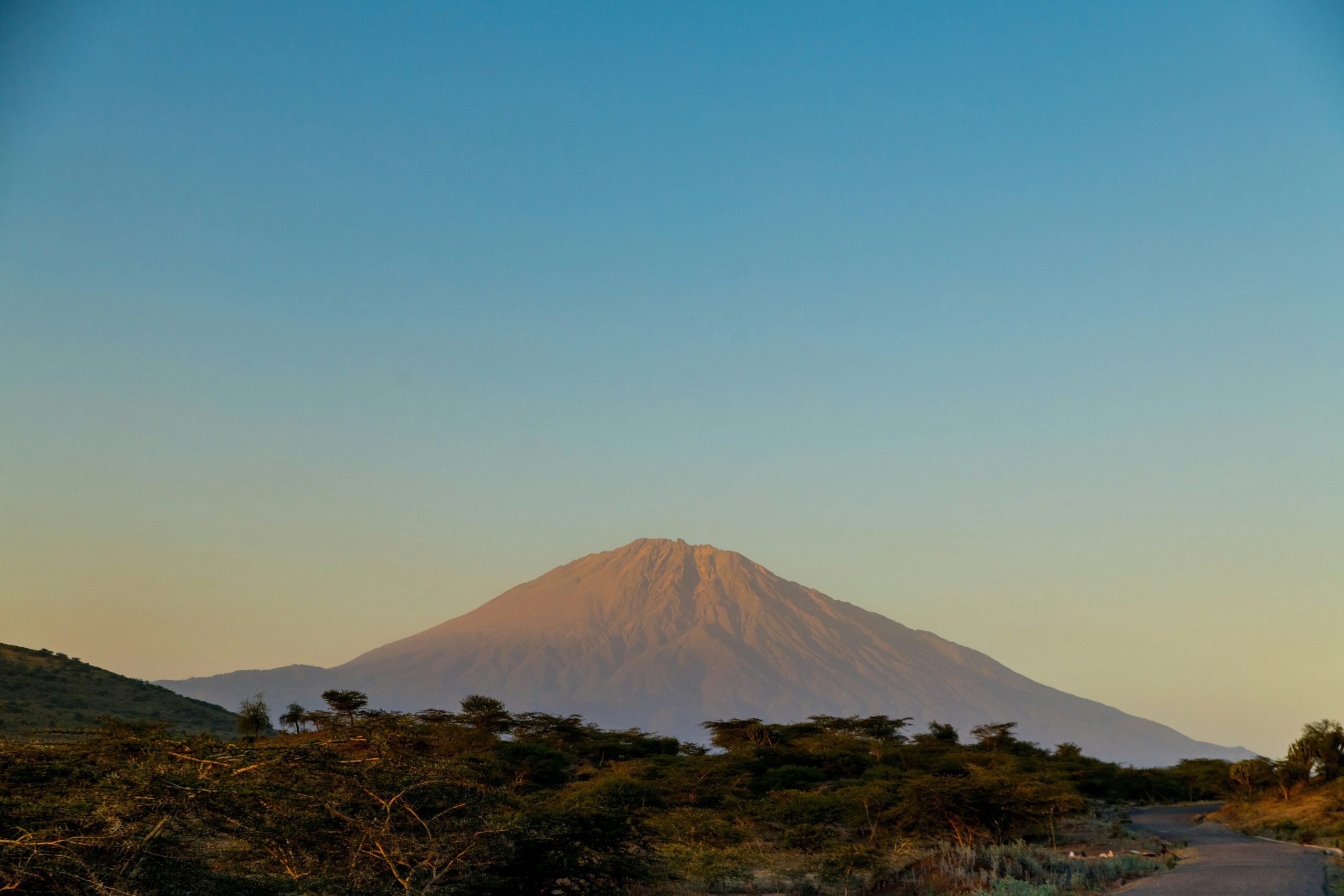
Welcome to Mount Meru, Tanzania’s second-highest peak at 4,566 meters (14,980 feet), located within the beautiful Arusha National Park. Often considered a “warm-up” or acclimatization climb for Kilimanjaro,
Mount Meru (Arusha National Park)
Ascend Tanzania's Second Highest Mountain
Welcome to Mount Meru, Tanzania’s second-highest peak at 4,566 meters (14,980 feet), located within the beautiful Arusha National Park. Often considered a “warm-up” or acclimatization climb for Kilimanjaro, Mount Meru is a spectacular volcanic mountain in its own right, offering a challenging and rewarding trek. Its dramatic caldera, ash cone, and sheer cliffs provide breathtaking scenery, and the climb takes you through diverse habitats, from montane forests teeming with wildlife to alpine moorlands.
The ascent of Mount Meru is a thrilling adventure, offering incredible views of Kilimanjaro on clear days, close encounters with wildlife on the lower slopes, and a significant mountaineering achievement.
Why Visit/Climb Mount Meru?
A significant achievement for trekkers.
Highly recommended for those planning to climb Kili.
Features a dramatic horseshoe-shaped caldera, a prominent ash cone, and towering cliffs.
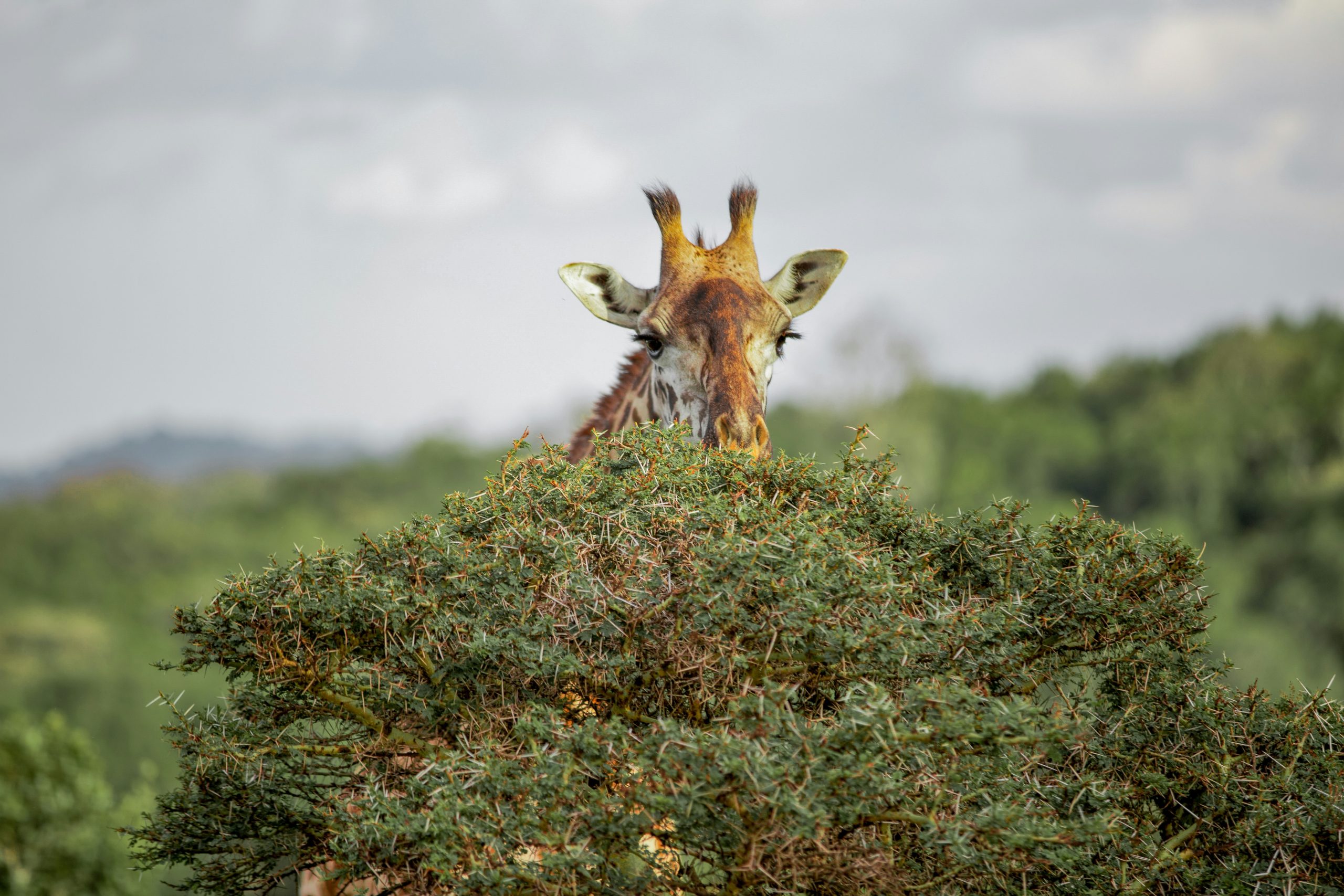
Trek through Arusha National Park, with chances to see giraffes, buffalo, zebras, colobus monkeys, and diverse birdlife (accompanied by an armed ranger).
Offers a more tranquil and intimate mountain experience.
On clear days, the views of Kilimanjaro from Meru's summit are unparalleled.
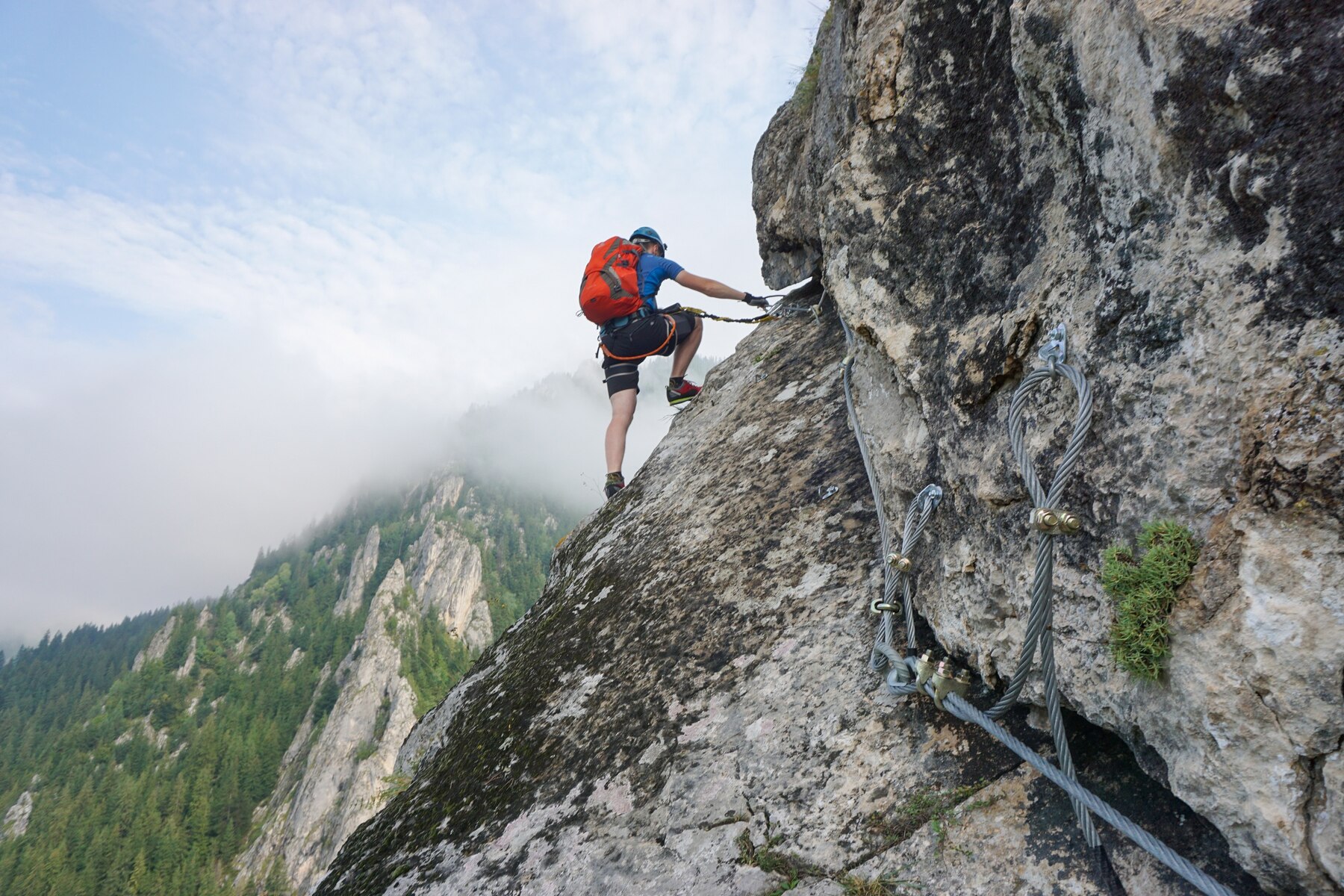
A steep and rewarding climb, particularly the final push to Socialist Peak.
The Mount Meru Climbing Spectacle
The standard trek up Mount Meru typically takes 3 or 4 days, utilizing well-maintained mountain huts for accommodation.
- The Momella Route: The primary and only official route for climbing Mount Meru.
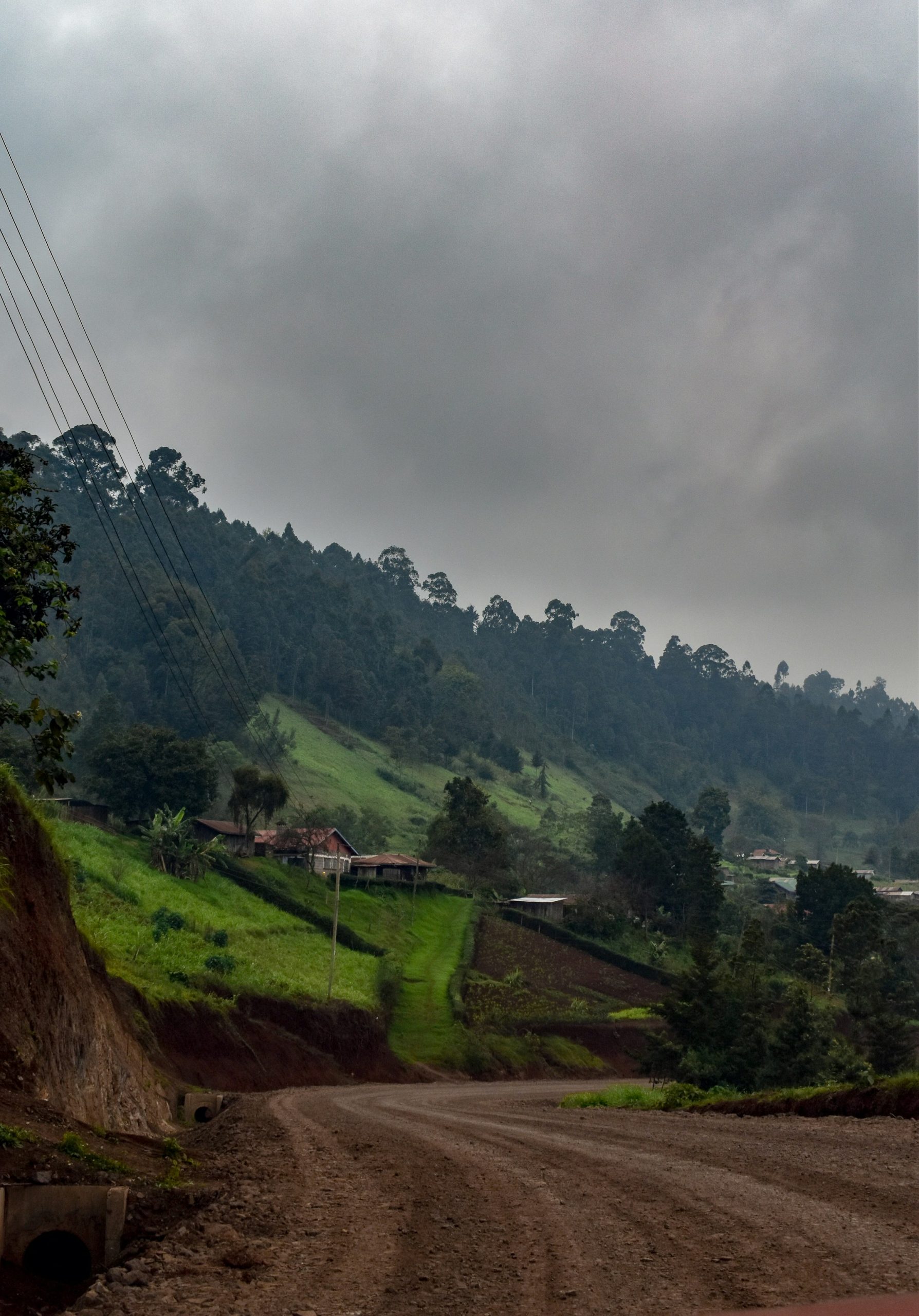
- Day 1: Momella Gate (1,500m) to Miriakamba Hut (2,514m). Trek through montane forest and open grassland, often encountering wildlife.
- Day 2: Miriakamba Hut to Saddle Hut (3,570m). Steeper ascent through heath and moorland. Optional afternoon acclimatization hike to Little Meru (3,820m).
- Day 3 (Summit Day): Saddle Hut to Socialist Peak (4,566m) and descend to Miriakamba Hut. Starts pre-dawn, a challenging ascent over volcanic scree and along a narrow crater rim.
- Day 4 (Optional): Miriakamba Hut back to Momella Gate. (If doing a 3-day trek, descent is all the way from Saddle Hut/summit to Momella Gate on Day 3).
- Armed Ranger Escort: Due to wildlife on the lower slopes, all trekking groups are accompanied by an armed park ranger.
- Hut Accommodation: Climbers stay in basic but comfortable mountain huts (Miriakamba and Saddle Huts).
- The Ash Cone: A prominent feature within the caldera, formed by past eruptions.
- Crater Rim Walk: The final ascent involves a spectacular, sometimes narrow, walk along the rim of the caldera.
Best Time to Climb Mount Meru
Dry Season (June - February)
- June - October: Generally clear skies, good visibility, cooler temperatures. Considered the best overall period.
- December - February: Also dry and often warmer, with good views.
- These periods offer the highest chance of clear views of Kilimanjaro and stable weather.
Wet / Shoulder Seasons (March - May & November)
- March - May (Long Rains): Heaviest rainfall, trails can be very muddy and slippery. Cloud cover often obscures views. Some prefer the lushness, but it's more challenging.
- November (Short Rains): Occasional showers, can be misty.
- Climbing is still possible, but expect more challenging conditions and potentially limited visibility.
Activities on/around Mount Meru (Arusha National Park)
- Mount Meru Summit Climb: The main 3 or 4-day trek.
- Lower Slope Nature Walks/Hikes (within Arusha NP): Guided walks through the forest to waterfalls (e.g., Tululusia Waterfall), or around the Momella Lakes (as covered in the Arusha NP section).
- Canoeing on Momella Lakes: (As covered in Arusha NP section).
- Game Drives in Arusha NP: Explore other areas of the park if time permits before or after the climb.
- Ngurdoto Crater Rim Walk: (As covered in Arusha NP section).