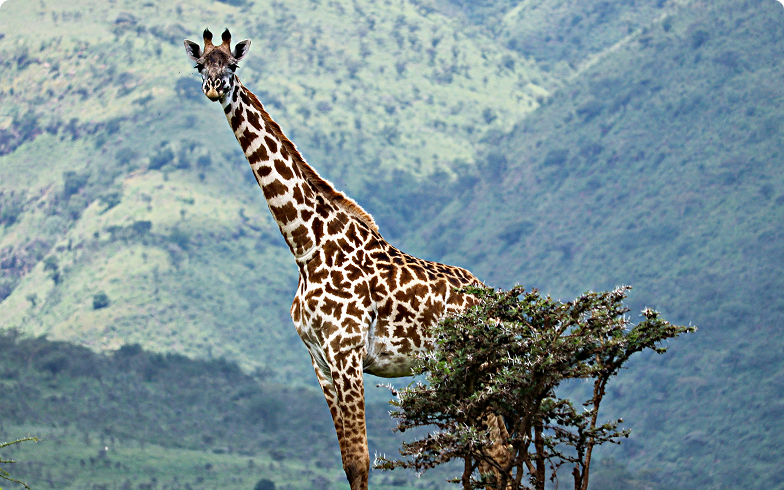
Ngorongoro Conservation Area
Discover the World's Largest Intact Caldera
Welcome to the Ngorongoro Conservation Area, home to the breathtaking Ngorongoro Crater, a UNESCO World Heritage Site. This vast, unbroken caldera is a natural marvel, sheltering an extraordinary concentration of wildlife. Beyond the Crater, the Conservation Area encompasses highlands, grasslands, and woodlands, and is unique for allowing human habitation, notably the Maasai people, coexisting with wildlife. It’s also home to Olduvai Gorge, a site of immense paleoanthropological significance.
From the rich wildlife within the Crater floor to the ancient history of human evolution and the vibrant Maasai culture, Ngorongoro offers a multi-faceted and profound African experience.
Why Visit Ngorongoro?
Unparalleled density of wildlife in a stunning, self-contained ecosystem.
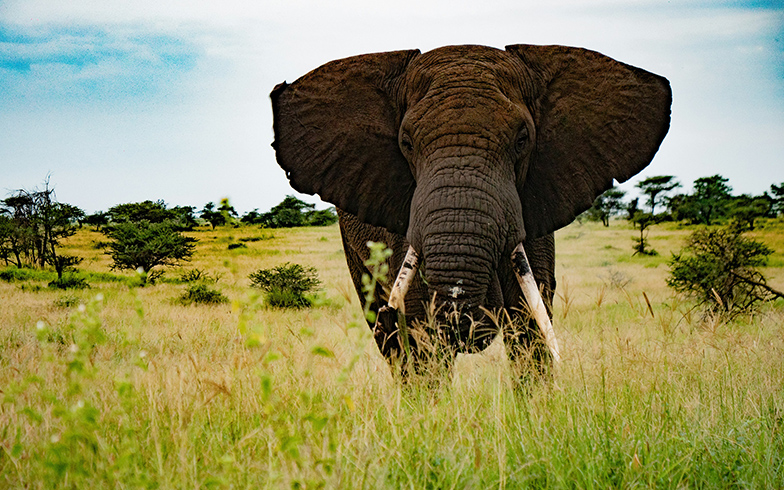
Excellent chances to see lion, leopard, elephant, buffalo, and the endangered black rhino.
Explore "The Cradle of Mankind" and learn about early human ancestors.
Opportunities to interact with Maasai communities and learn about their traditional way of life.
Dramatic crater walls, highland forests, and expansive plains.
The Ngorongoro Crater Spectacle
The main attraction is the Ngorongoro Crater, a 260 sq km (100 sq mi) caldera teeming with approximately 25,000 large animals. Its high walls have created a unique haven where animals are less migratory (though some movement occurs).
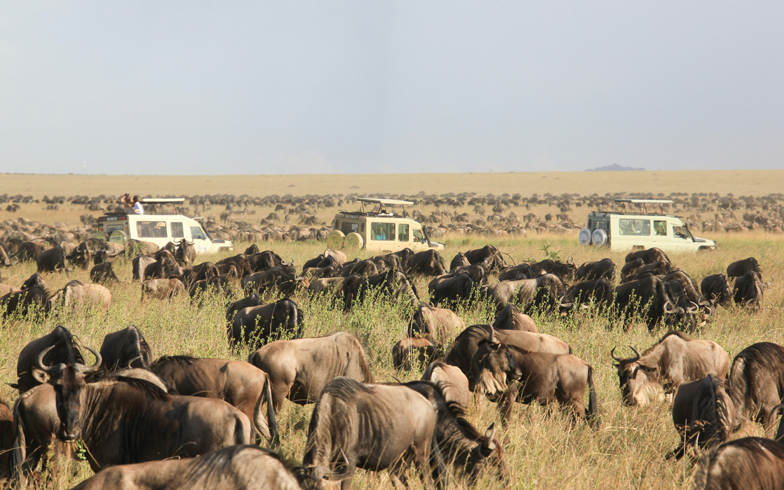
- Year-Round Residents: Most animals, including large lion prides, hyenas, wildebeest, zebras, gazelles, and elands, reside in the crater year-round.
- Black Rhino: One of the best places in Tanzania to see the critically endangered black rhino.
- Lake Magadi: A soda lake on the crater floor attracting flamingos and other waterbirds.
Best Time to Visit Ngorongoro
Dry Season (June - October)
- Pleasant weather, clear skies offer great views into the crater.
- Wildlife is easier to spot as vegetation is thinner.
- Peak season, can be busy.
Wet / Green Season (November - May)
- Lush, green scenery; dramatic skies.
- Fewer crowds (except peak holiday periods).
- Excellent for bird watching.
- Short rains (Nov-Dec) are usually light; long rains (Apr-May) can make crater tracks muddy.
Activities in Ngorongoro Conservation Area
Crater Game Drive: The primary activity, descending into the caldera for a day of wildlife viewing.
Olduvai Gorge Visit: Explore the museum and excavation sites (often en route to/from Serengeti).
Maasai Cultural Visits: Visit a traditional Maasai boma (village) to learn about their culture (arrange responsibly).
Empakaai Crater Hike: Hike down to the beautiful, flamingo-filled soda lake in this lesser-known crater.
Olmoti Crater Hike: A shorter walk to a waterfall and viewpoint.
Walking Safaris: Permitted on the crater rim and in designated areas of the highlands with an armed ranger.