Welcome to Udzungwa Mountains National Park, a unique and biodiverse montane forest reserve in southern Tanzania. Part of the Eastern Arc Mountains, often dubbed the “Galapagos of Africa”
Udzungwa Mountains National Park
Discover Endemic Wonders in a Montane Rainforest Haven
Welcome to Udzungwa Mountains National Park, a unique and biodiverse montane forest reserve in southern Tanzania. Part of the Eastern Arc Mountains, often dubbed the “Galapagos of Africa” due to its high levels of endemism, Udzungwa is a haven for hikers and primate enthusiasts. It’s not a traditional game-drive park; instead, it offers incredible trekking opportunities through lush, ancient rainforests to stunning waterfalls, with chances to encounter rare and endemic flora and fauna, including several primate species found nowhere else.
For those seeking an active adventure, a deep immersion in pristine rainforest, and the thrill of discovering unique wildlife, Udzungwa Mountains National Park provides an unforgettable experience.
Why Visit Udzungwa Mountains National Park?
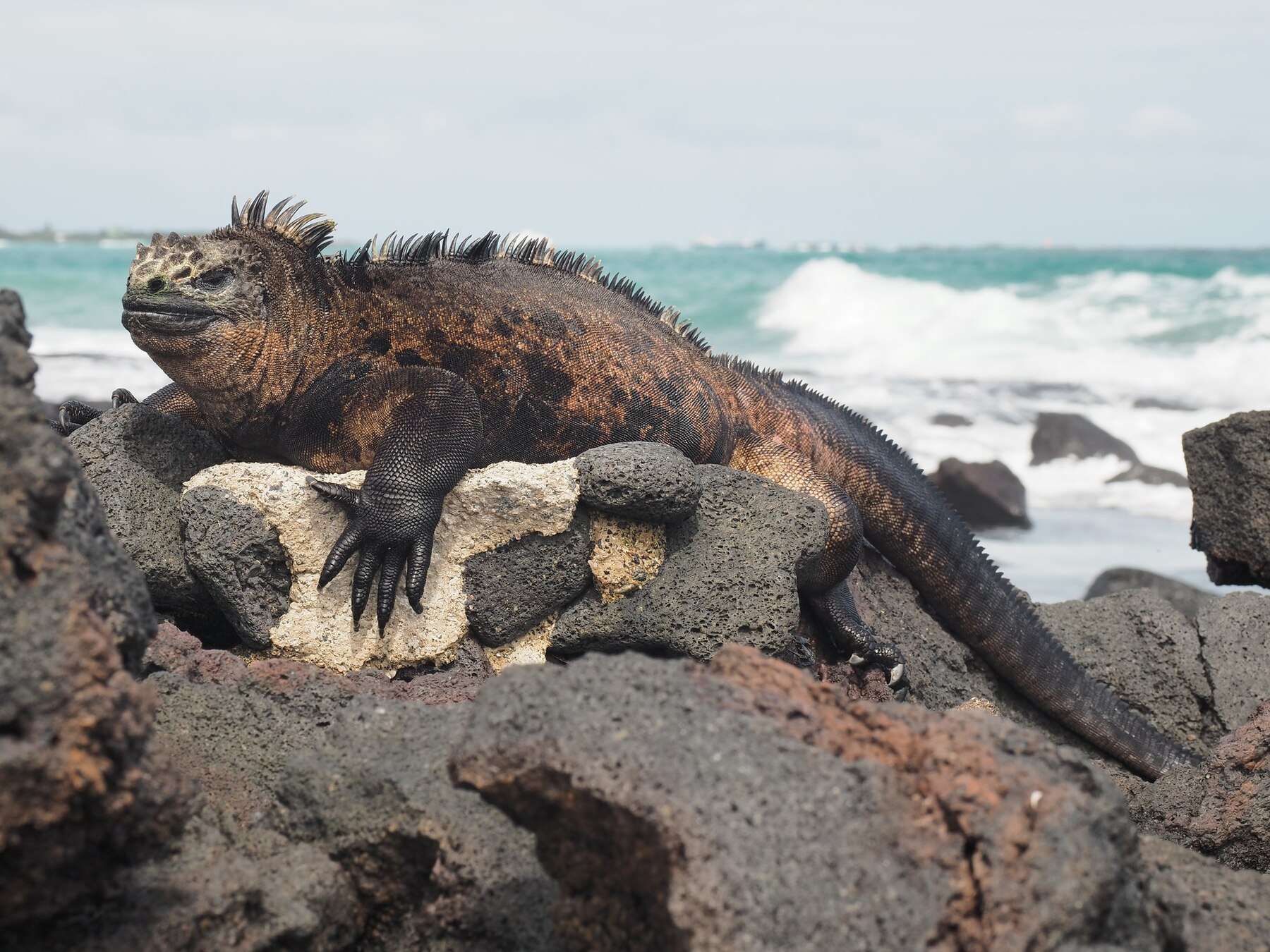
Home to numerous plant and animal species found nowhere else on earth.
A network of trails through pristine rainforest, ranging from short walks to multi-day treks.
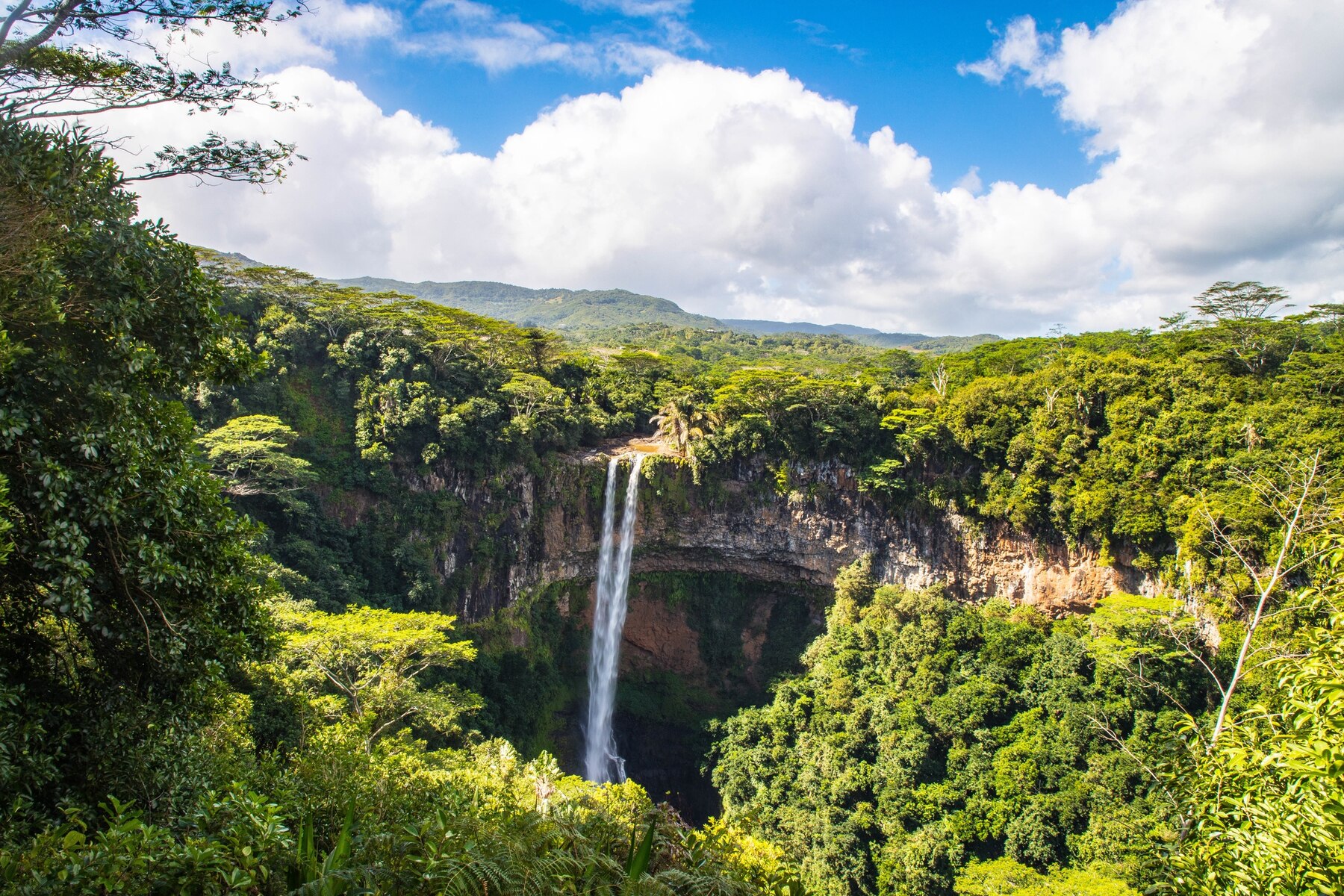
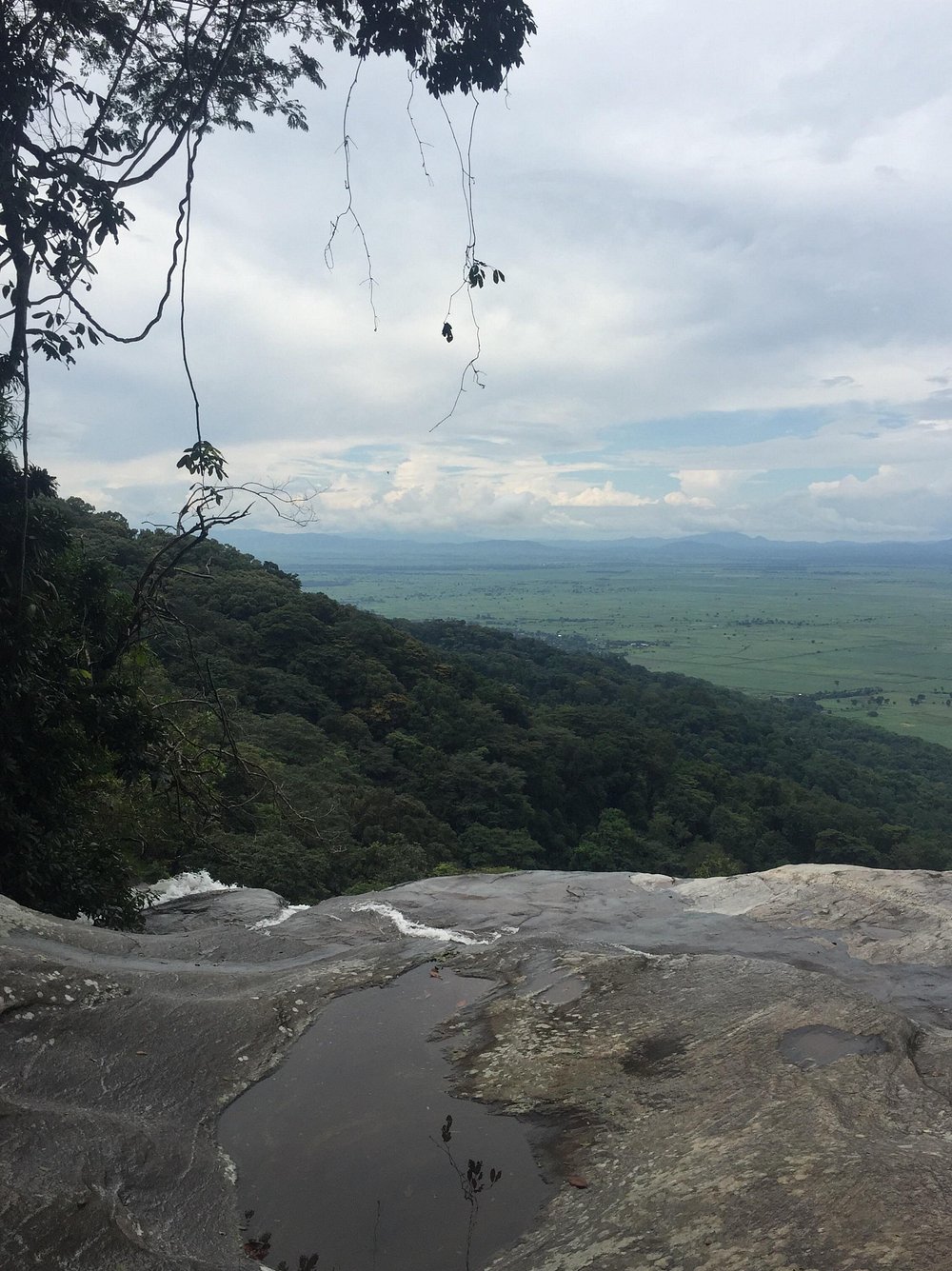
Features spectacular waterfalls, including the famous Sanje Waterfall, which drops 170 meters.
At least 11 primate species, including the endemic Iringa red colobus and Sanje mangabey.
Explore one of Africa's most ancient and biologically rich forest ecosystems.
Over 400 bird species, including several endemics like the Udzungwa forest partridge.
Offers a different kind of safari experience, focused on nature and activity.
The Trekking and Primate Spectacle
Udzungwa is primarily a hiking destination, with its magic revealed on foot.
- Sanje Waterfall Trail: The most popular trek, leading through beautiful forest to the top of the stunning Sanje Waterfall, with opportunities to swim in plunge pools. High chances of seeing Iringa red colobus and Sanje mangabey monkeys.
- Variety of Trails: Other trails cater to different fitness levels and interests, exploring different forest zones and viewpoints.
- Primate Encounters: The forests are alive with primates. Besides the endemics, look for black-and-white colobus, blue monkeys, and Sykes’ monkeys.
- Endemic Flora and Fauna: Guides will point out unique plants, insects, amphibians, and reptiles, many of which are endemic to the Eastern Arc Mountains.
- Birding on Foot: Walking through the forest offers unparalleled opportunities for spotting rare and endemic forest birds.
Best Time to Visit Udzungwa Mountains National Park
Dry Season (June - October)
- Pleasant, cooler weather for hiking. Less humidity.
- Forest trails are drier and less slippery, making trekking easier and safer.
- Wildlife, including primates, can be easier to spot as they may come to lower altitudes.
Wet Season (November - May)
- The forest is incredibly lush, vibrant, and at its most beautiful. Waterfalls are at their most powerful.
- Excellent for Bird Watching and photography of flora.
- Hiking can be more challenging due to muddy and slippery trails, especially during the long rains (March-May).
- Higher humidity.
- Some less-maintained trails might be difficult to access.
- Fewer visitors.
Activities in Mikumi National Park
- Hiking & Trekking: The main activity, with various trails available (all treks require a park ranger/guide). Popular trails include:
- Sanje Waterfalls Trail (half-day to full-day)
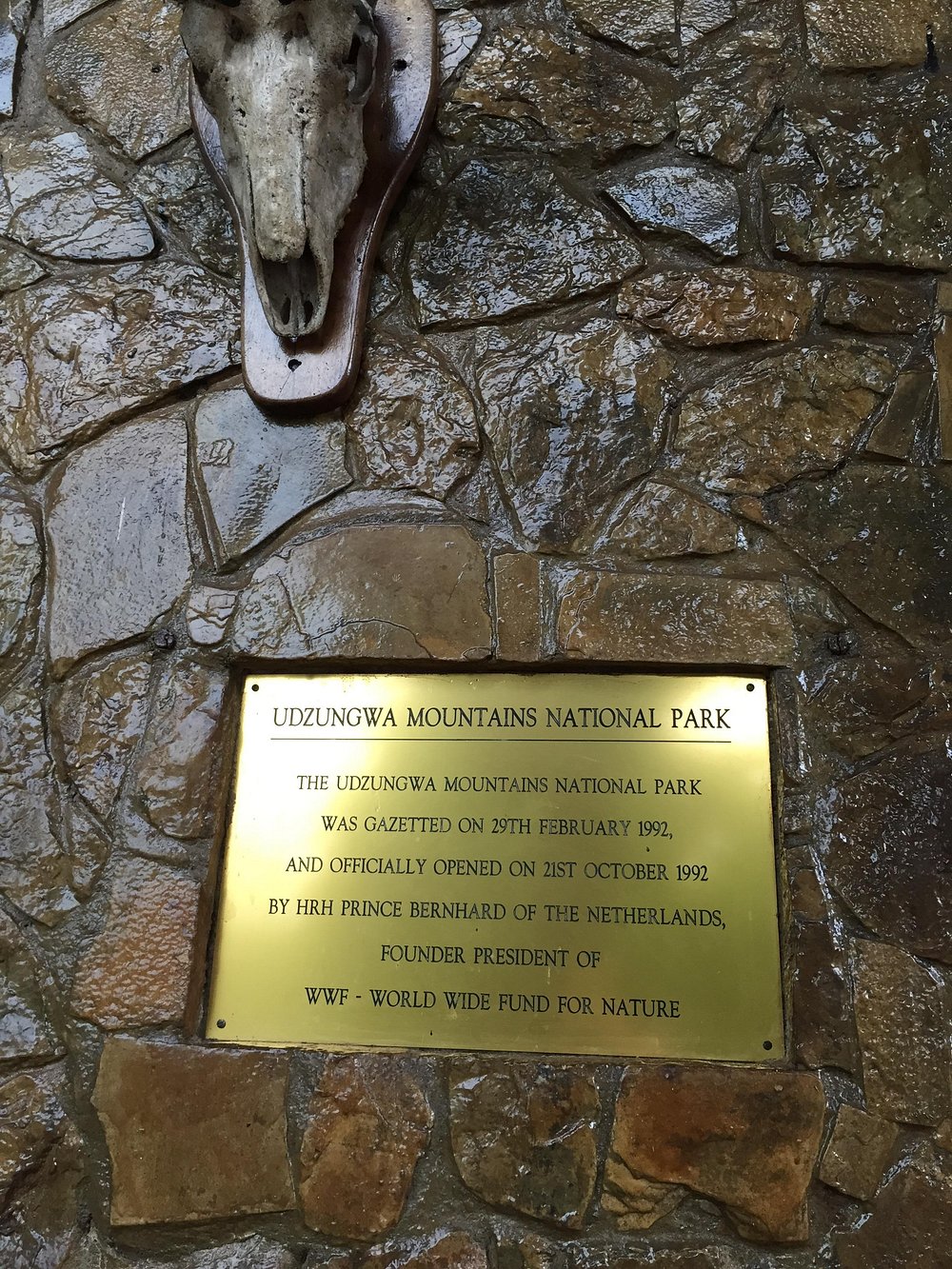
- Prince Bernhard’s Waterfall Trail (shorter walk)
- Njokamoni Trail (longer, through different forest types)
- Mwanihana Peak Trail (challenging 2-3 day trek to the second highest peak in the park)
- Primate Viewing: A key objective of most treks.
- Bird Watching: The park is a hotspot for forest birding.
- Swimming: Possible in some waterfall plunge pools (e.g., at Sanje Waterfall).
- Cultural Tourism: Visits to nearby villages (e.g., Mang’ula village) can be arranged to learn about local culture, farming practices, and community projects.
- Camping: Basic campsites are available within the park for those doing multi-day treks.